
Europe Winter Sun Destinations: Top 7 Sunny Escapes
If you think Europe is all snowflakes and scarves in winter, think again. There are plenty of corners on the continent where the sun still shines, the sea stays blue, and café terraces buzz even in December or January. Whether you’re craving a quick escape from the grey skies or planning a longer stay somewhere with actual daylight hours, there are some seriously tempting winter sun destinations in Europe.
From the laid-back beaches of Cyprus and the volcanic beauty of the Canary Islands, to the Mediterranean charm of Malta, Sicily, and Crete, and the golden coastlines of Andalusia and the Algarve – these spots prove that the old continent offers just enough warmth and sunshine in winter.
So grab your sunglasses (yes, really), leave the heavy coat behind (a light jacket will come in handy though), and let’s explore Europe’s warmest places to visit this winter!
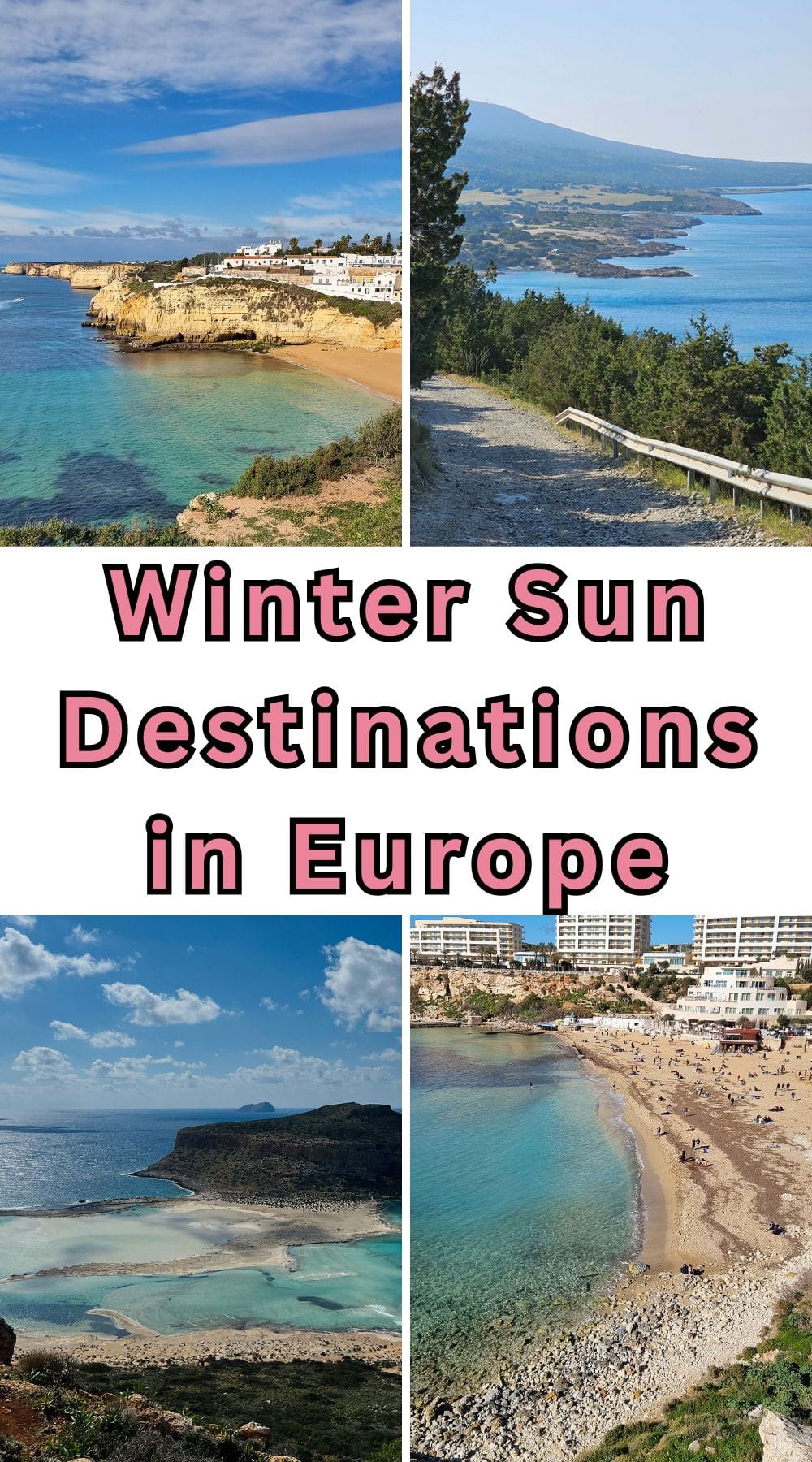
Cyprus – Sun, Sea, With A Dash Of Snow (If You Feel Like)
Cyprus is one amazing island nation in the Eastern Mediterranean that easily ranks among the finest European winter sun destinations. It delights visitors with balmy coastal temperatures and golden sunshine. Yet fun fact, you can actually go skiing in the Troodos Mountains on the same day you’re sunbathing by the sea. Not many islands can boast that!
Limassol is one of the best bases for wintertime. The city offers a wonderful blend of old and new from its lively marina and cosmopolitan cafés to its beautifully preserved old town, where narrow cobbled streets wind uphill past pastel façades, medieval fortresses, and hidden courtyards. You can spend your mornings exploring ancient ruins like Amathus, and your afternoons eating meze and sipping Cypriot wine by the beach.

If you fancy a change of scene, drive to Paphos, on the island’s lush western side, which combines relaxed resort vibes with ancient history and coastal walks. Don’t miss the Paphos Archaeological Park, where Roman mosaics gleam under the sun, or a sunset stroll along the dramatic Akamas Peninsula, one of the island’s most picturesque natural spots.
Tip: If you are seeking a peaceful countryside escape, head to Aphrodite Hills Resort, set between Paphos and Limassol, with its golf course, spa, and stunning views of the sea. Those who prefer a livelier area should check out the Almyra Hotel in Paphos, which blends modern design with sea views and an easy walk to the harbor, perfect for winter sunsets.
Winter Weather In Cyprus
Cyprus enjoys daytime temperatures around 17–22°C (63–72°F) along the coast, with plenty of sunshine, around 5–6 hours a day even in January. Rain showers can pop up (especially in December and February), but they’re usually brief.
The sea temperature hovers around 18–20°C (64–68°F) through the winter months – it is definitely not tropical, but perfectly fine for a refreshing dip on calm, sunny days.
Snow is limited to the Troodos Mountains, leaving the coast mild and perfect for seaside strolls and sightseeing in T-shirts while most of Europe shivers.
Canary Islands – The Ultimate Warm Winter Getaway
If you’re craving sunshine and swimming in the ocean in December or January, the Canary Islands should be high on your warm winter getaways list. Just off Morocco’s coast, this Spanish archipelago feels like a tropical escape – yet it’s only a few hours’ flight from most major European airports. With dramatic volcanic scenery, year-round warmth, and ocean views that never get old, the Canaries are pure winter bliss.
The real challenge is deciding which island to visit, because each one is its own little world:
- Tenerife dazzles with black-sand beaches and the otherworldly slopes of Mount Teide
- Gran Canaria mixes sand dunes, surf spots, and charming mountain villages
- Lanzarote offers lunar-like landscapes and elegant design touches from artist César Manrique
- And then there’s Fuerteventura, where miles of wild beaches and steady trade winds make it a paradise for swimmers, surfers, and anyone who loves that feeling of space and sea air

If you enjoy the outdoors, you’ll be spoiled for choice, from hiking volcanic trails to snorkeling, whale watching, or simply soaking up the sun on an uncrowded beach. The Canaries are also famous for having some of Europe’s clearest waters and most pristine coastlines – perfect for those seeking that “endless summer” vibe or dreaming of a beachy family Christmas without leaving the continent.
Typical Winter Weather In The Canary Islands
Expect daytime temperatures around 21–25°C (70–77°F) with abundant sunshine and very little rain. The sea temperature stays between 20–22°C (68–72°F), warm enough for comfortable swimming even in January. Evenings can get breezy, but you’ll rarely need more than a light jacket – these islands are Europe’s most reliable dose of winter warmth.
Andalusia – Spain’s Sun-Soaked Winter Secret
Staying in Spain, Andalusia deserves a top spot here too! This southern region is literally the warmest place in continental Europe during winter – a land of orange trees, whitewashed villages, and endless blue skies. It’s also one of Spain’s most captivating areas, overflowing with culture, history, architecture, and rhythm long after the summer crowds have gone home.

Start your journey in Seville, Andalusia’s fiery heart and officially Europe’s warmest city year-round. Here you can wander through sun-drenched plazas, admire the Giralda Tower, and feel the heartbeat of flamenco in its birthplace. Winter in Seville means fewer crowds, shorter queues, and prices that are refreshingly gentle – even top hotels can drop below €100 per night. It’s the perfect time to explore grand cathedrals, palaces, and art museums without the sweltering summer heat.
Then make your way to the Costa del Sol, where Málaga offers the ideal beach-and-culture combo. You can stroll along Malagueta Beach, visit the Picasso Museum, or enjoy tapas by the sea under bright winter sunshine. The beaches are peaceful, the sea sparkles, and the air feels almost springlike – perfect for recharging when the rest of Europe is covered with snow and fog.
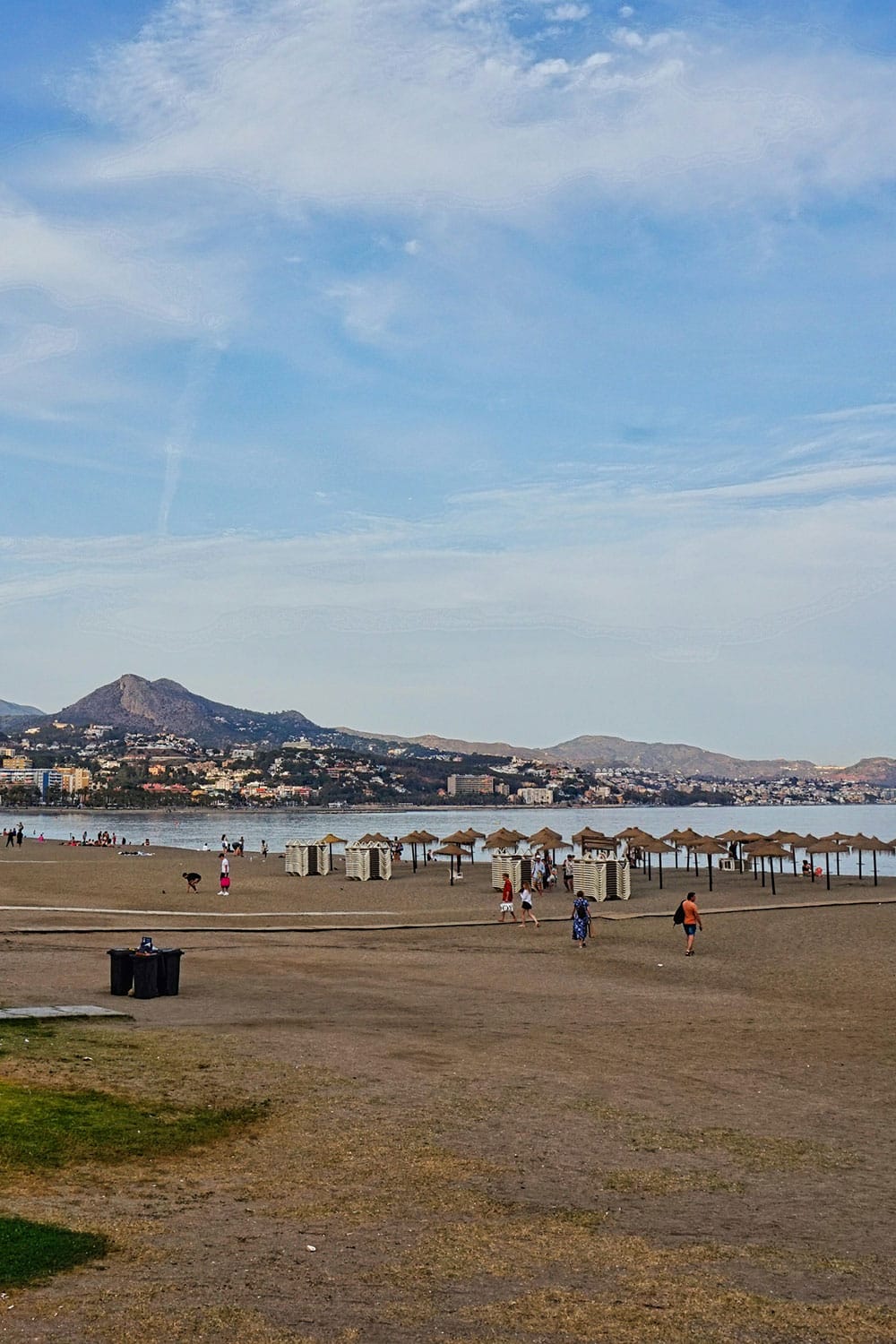
Winter Weather In Andalusia – What To Expect?
Expect average daytime temperatures around 17–20°C (63–68°F), with Seville often hitting the low 20s on sunny days. Rain is infrequent but can come in short bursts, especially along the coast and the mountainous regions. I’m not sugarcoating, the sea can be cold for swimming with temperatures around 16–18°C (61–64°F) – but you might jump in for a quick dip on calm, sunny days. However, with clear skies and warm afternoons, Andalusia is still one of the best bets for real winter sunshine on mainland Europe!
Malta – Where Timeless Charm Meets Warm Winter Sunshine
Set in the southern Mediterranean, this archipelago of Malta, Gozo, and Comino basks in more gentle winters than almost anywhere else in Europe. And if this would not be enough to add it to your winter travel list, let me inform you that in 2025, Valletta, Malta’s capital, was voted Condé Nast Traveller’s Number One European City in its Readers’ Choice Awards, praised by thousands of travellers for its rich culture, historic architecture, and sheer authenticity.

Valletta might only be a mile or so across, but within its ancient walled streets and baroque palaces – built by knights, fortified by centuries – you’ll find beauty that rivals anywhere. To enjoy the city to the fullest, consider staying at The Phoenicia Malta, an elegant five-star hotel right outside Valletta’s city walls.
Add to that Mdina, the “Silent City,” the Three Cities by the Grand Harbour, and dozens of historic churches and castles, and you have an island steeped in stories waiting to be explored. And mild winter days mean perfect weather for sightseeing!
Plus, you can still enjoy fine beaches Golden Bay or Għadira Bay when the days are sunny, taste the freshest seafood in coastal villages like Marsaxlokk or Marsascala, and wander the limestone streets with warm breezes caressing your face.

Winter Weather In Malta
Daytime temperatures typically hover around 16–19°C (61–66°F), sometimes rising into the low 20s on the sunniest days. Nights and early mornings are cooler, dropping into 10–13°C (50–55°F), which might feel even colder due to humidity and wind, so pack warm clothes and make sure your accommodation has heating (usually AC with heating mode)
Rain is possible, particularly from December to February, but showers tend to be short and interspersed with clear, sunny periods. Bring rainboots if you have! The sea temperature in winter stays around 17–19°C (62–66°F) – not blazing hot, but quite swim-friendly on warm, sunny days (some locals swim throughout the whole year, so put that swimsuit in your luggage just in case).
Sicily – Sun, Stories, And A Slice Of La Dolce Vita
Sicily has long captured imaginations – from ancient Greek legends to The Godfather’s cinematic drama – and it’s every bit as fascinating in real life. Thanks to the warm Sirocco winds drifting up from the Sahara, the island’s coastal areas enjoy some of the mildest winters in Europe, with many afternoons reaching the low 20s°C (around 70°F). That means you can stroll the beach or explore ancient ruins in short sleeves while the rest of Italy bundles up.
The island’s vibrant heart is Palermo, a cosmopolitan mix of crumbling Baroque grandeur, Arabic arches, and bustling food markets. It’s also one of Italy’s warmest major cities in winter, offering the perfect blend of history, chaos, and irresistible street food; don’t leave without tasting arancini or a fresh cannoli.
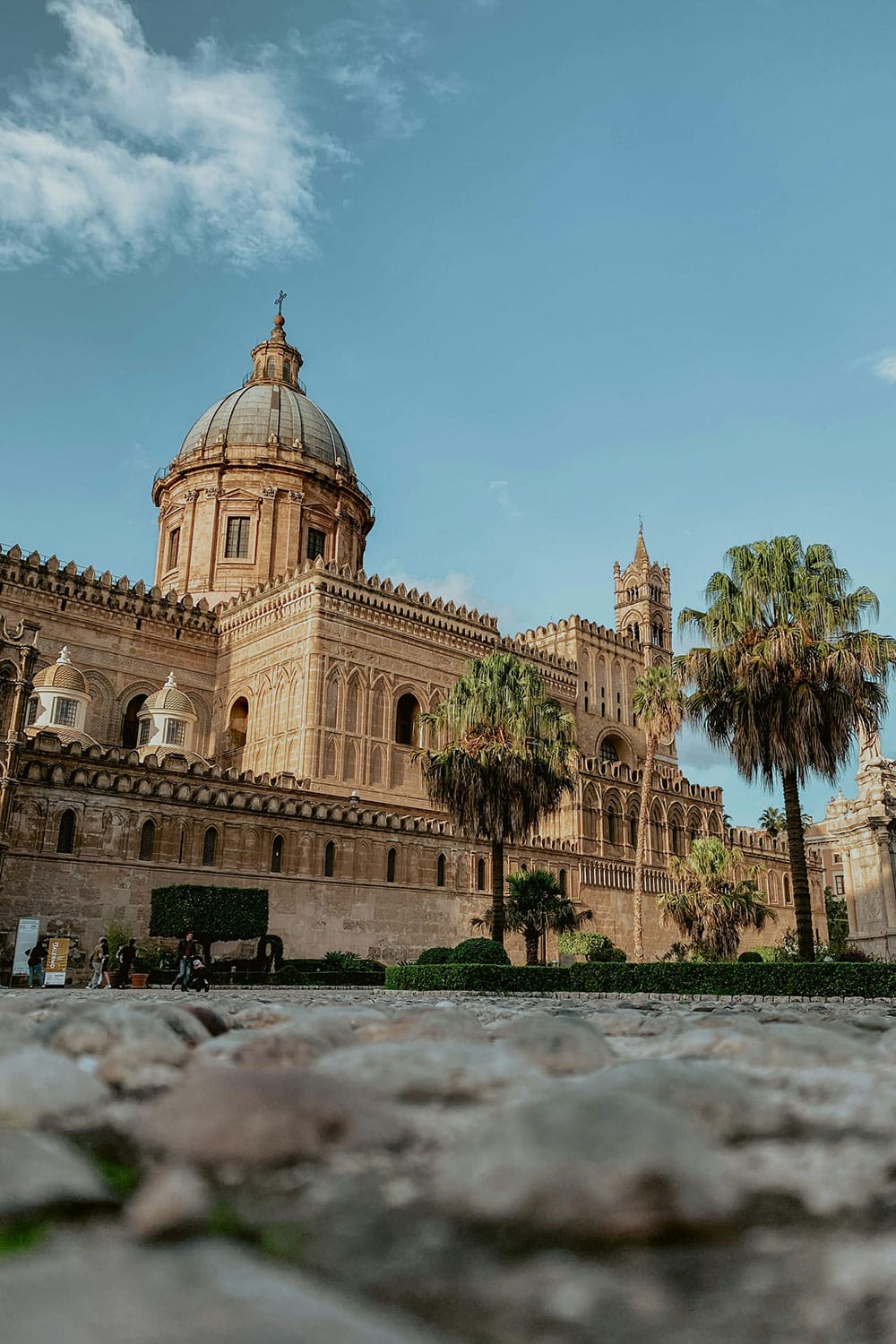
For a change of scenery, make your way to Taormina, Sicily’s glamorous coastal jewel, where sea views and ancient amphitheaters meet chic cafés. Or head to Mount Etna, Europe’s most active volcano, for hiking trails and sweeping views that feel like another planet. And yes, movie fans can even make a pilgrimage to Corleone, the town that inspired the legendary mafia saga – a quirky detour for those who love film history as much as real-life culture.

Winter Weather Conditions In Sicily
Expect average daytime temperatures of 16–20°C (61–68°F) along the coast, often warmer when the Sirocco winds blow. The sea temperature stays around 17–18°C (63–65°F), so hardy swimmers can still enjoy a dip on sunny days.
Rain is occasional but usually short-lived, leaving plenty of clear skies and golden light – perfect for exploring, eating outdoors, and soaking up that unmistakable dolce vita energy without the crowds.
Algarve – Portugal’s Sun-Kissed Winter Escape
The southern coast of Portugal feels like a place that time forgot – yet it’s very much alive with charm, sunshine, and some of Europe’s warmest winter temperatures. Between December and March, the Algarve enjoys pleasantly cool but sun-drenched days, making it the perfect winter sun destination for outdoor lovers, foodies, history buffs, and anyone craving a relaxed coastal vibe.
The region is dotted with fascinating towns and cities worth exploring, from Lagos and Albufeira to Carvoeiro, Tavira, Silves, and Vila Real de Santo António. Here, limestone cliffs tumble dramatically into the Atlantic, hiding secret caves and grottoes, while beaches stretch golden and nearly deserted in winter – perfect for long walks and serene sunsets.
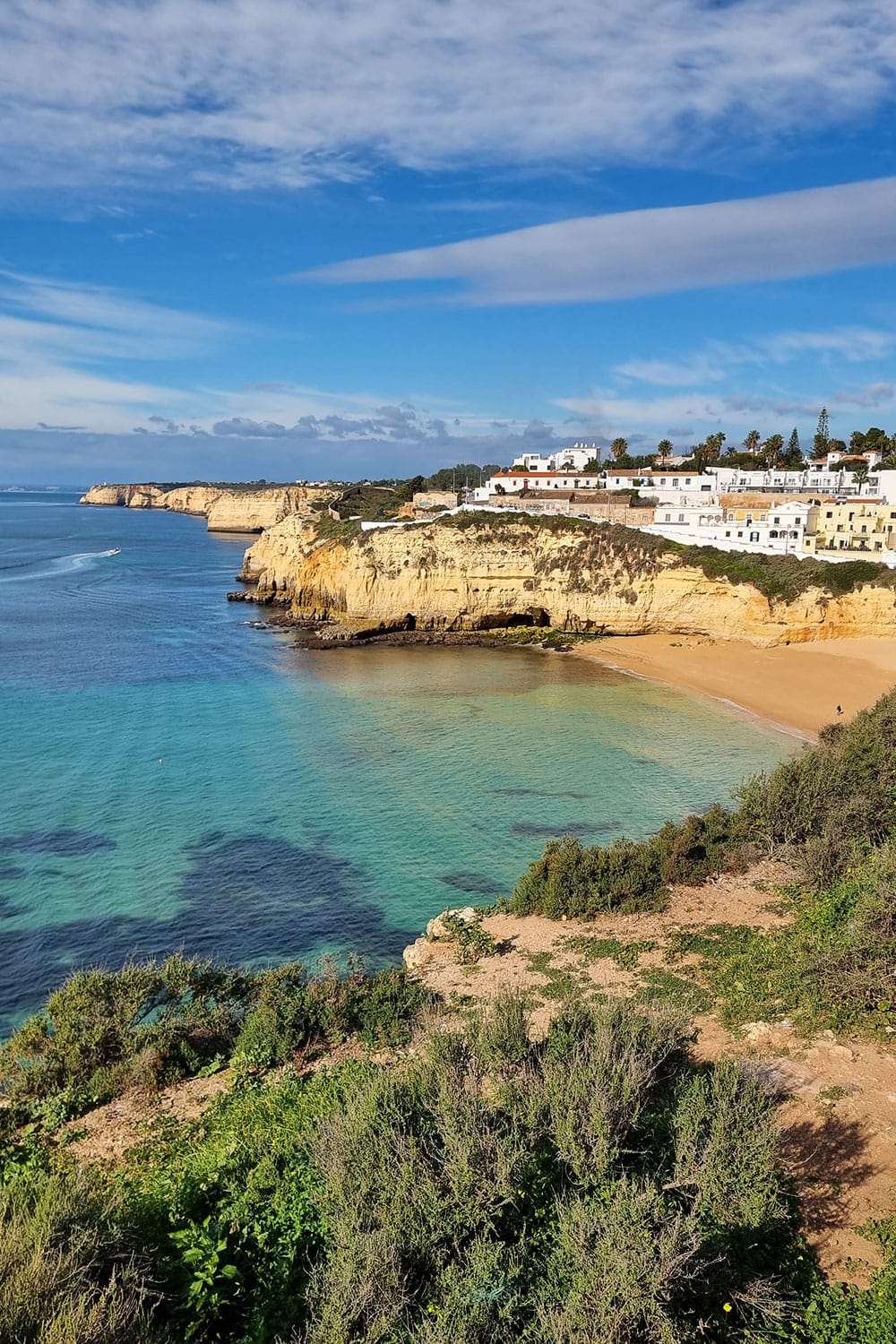
Food lovers will rejoice: the Algarve boasts some of Europe’s freshest seafood, straight from local fishing fleets. Beyond the plates, the region is rich in history and culture, from Moorish castles to quaint towns with cobbled streets, making it easy to combine sunbathing with sightseeing. And, like southern Spain, it’s remarkably more affordable than in the summer season, meaning you can enjoy luxury experiences without breaking the bank.
Algarve Winter Weather
The daytime temperatures are around 16–19°C (61–66°F), with plenty of sunny days and only occasional light rain. Evenings are cooler, feel chilly along the coast, so bring layers. The sea temperature ranges from 16–17°C (61–63°F), making it suitable only for adventurous swimmers, but manageable if you bring a wetsuit. Mild, sunny, and uncrowded, the Algarve is Europe’s ideal winter sun escape on the Atlantic coast.
Best Algarve Hotels (That Are Open In Winter)
Pine Cliffs, a Luxury Collection Resort: A cliff-top resort overlooking Praia da Falésia, this is one of the most luxurious all-round picks. Excellent year-round restaurant options, multiple pools and high-end spa facilities. It’s a safe bet for winter stays since many food & service venues remain open outside summer.
Viceroy at Ombria Algarve: Open year-round, this newer luxury property is ideal for those seeking quieter sophistication. Set inland, surrounded by hills and olives, with spa, rich dining, and a calm, high-quality atmosphere. It’s especially appealing when coastal towns quiet down.
Penina Hotel & Golf Resort (Alvor): A classic high-end resort with expansive grounds, excellent golf, and full facilities. Because it’s more than just a beach hotel (it has golf, indoor facilities and restaurants), it tends to stay active in winter.
Vilalara Thalassa Resort: If you’re looking for wellness + spa + sea views, this is a standout. It offers a “Winter Sunshine Guarantee” (if the weather is particularly bad) and has spa programs, excellent food, and good amenities. Worth checking for availability, as some parts are seasonal, but it’s one of the top choices.
Crete – Greece’s Sun-Drenched Island Escape
As Greece’s largest and southernmost island, Crete is a winter sun paradise for those who crave warmth, culture, and unspoiled beauty. Often celebrated as the ultimate cradle of Western civilization, the island mixes ancient history, rugged mountains, and hundreds of miles of breathtaking coastline – ideal for scenic drives and beach hopping even in winter.
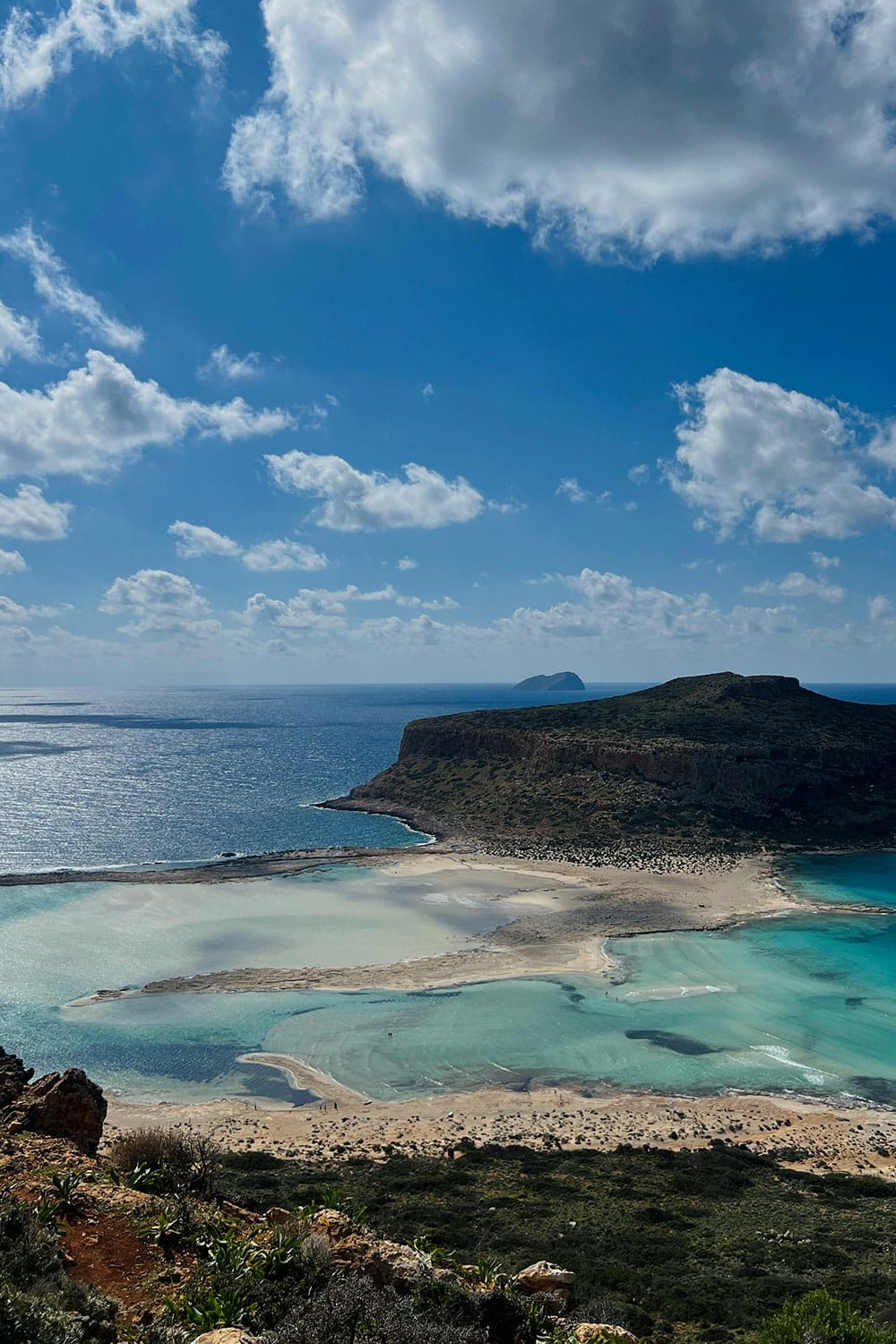
While the island does see some Mediterranean rains in the cooler months, that’s just an excuse to linger over leisurely meals in traditional tavernas, savoring dishes like moussaka, fresh seafood, and Cretan cheeses. Locals are especially welcoming in the quieter winter season, offering hospitality that can feel even warmer than the sun itself. With lower prices, empty beaches (even the famous Balos Beach), and practically no tourist crowds, it is actually the best time to explore Crete’s charming towns and archaeological wonders.
Winter Weather In Crete
Daytime temperatures generally hover around 14–16°C (57–61°F) in coastal areas, while inland areas are cooler. Rain showers are occasional but usually brief. The sea temperature stays around 17–18°C (63–64°F), refreshing enough for a short swim on sunny days. Mild, sunny, and uncrowded, Crete is a perfect winter sun destination in Europe, combining culture, cuisine, and golden beaches in one unforgettable escape.
So, Where Will You Chase the Sun This Winter?
Winter in Europe doesn’t have to mean dark skies or heavy coats. From Cyprus to the Canaries, there’s still light, warmth, and laughter echoing off seaside cafés. The best part? You get all the charm of the Mediterranean, minus the crowds and the chaos. So if your soul needs a little solar recharge, let these southern gems remind you: sunshine never truly leaves Europe. It just moves a bit further south.
