
Must-See Places in Curaçao: 20 Spots You Simply Can’t Miss
Curaçao has a way of surprising you. You arrive expecting beaches, and yes, the shoreline is extraordinary, but then you turn a corner in Willemstad and suddenly you’re standing in front of a row of buildings so vividly painted they look like something dreamed up by an artist who ran out of rules. Then you drive west and find rugged cliffs, a national park that feels nothing like a Caribbean postcard, and a tiny uninhabited island floating on the clearest water you’ve ever seen.
This guide is here to help you make the most of it all. Below you’ll find a curated list of must-see places in Curaçao that takes you through the island’s best beaches, most dramatic natural landscapes, and the cultural stops that give this place its unmistakable soul. Whether you have a few days or a full week, these spots together paint a complete and honest picture of what makes Curaçao so special.
Downtown Willemstad – The Island’s Colorful Capital
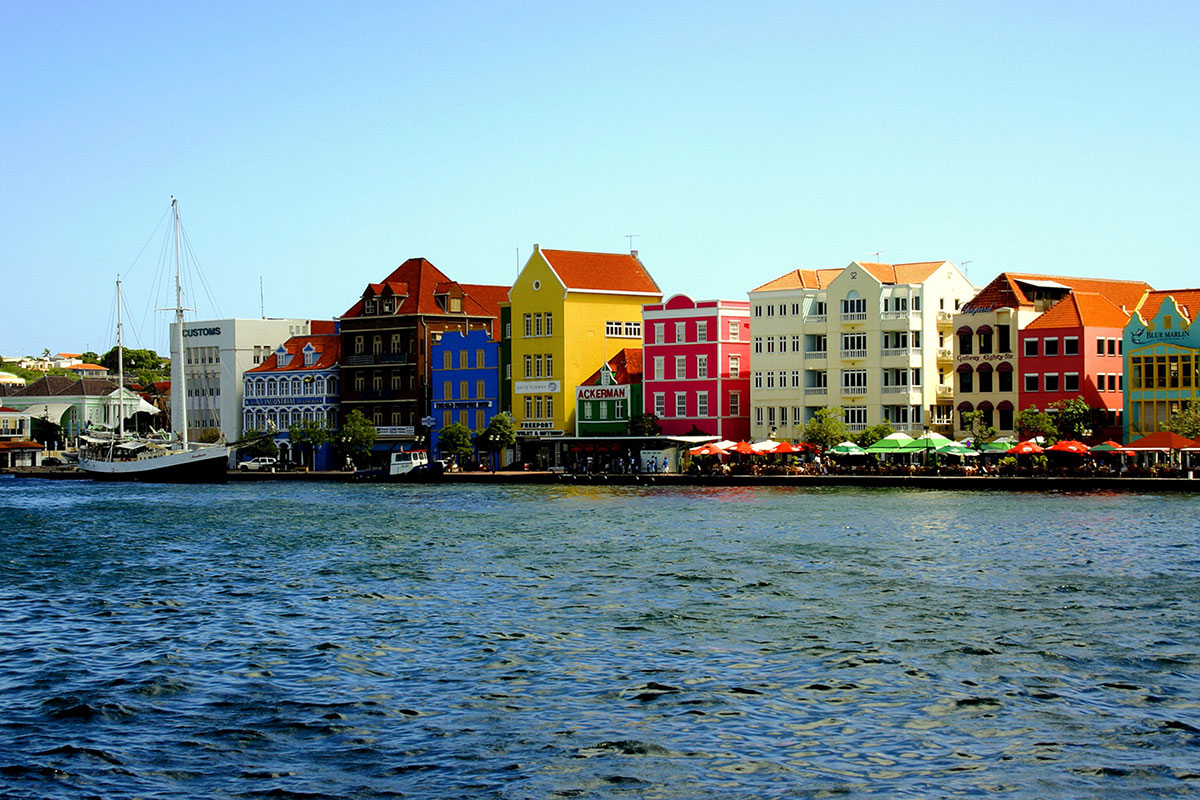
There’s a moment in Willemstad that catches almost every visitor off guard. You round the corner toward the waterfront and suddenly you see a long row of Dutch colonial buildings painted in coral pink, mustard yellow, powder blue, and deep terracotta, all reflected in the still waters of St. Anna Bay. It’s the kind of view where you genuinely stop walking mid-step.
Willemstad is a UNESCO World Heritage Site, and the historic waterfront is its crown jewel. The Punda side is compact and walkable, with local shops, a lively arts trail, and Wilhelmina Park, a small, leafy square where locals sit in the shade and life just happens at a pleasantly unhurried pace.
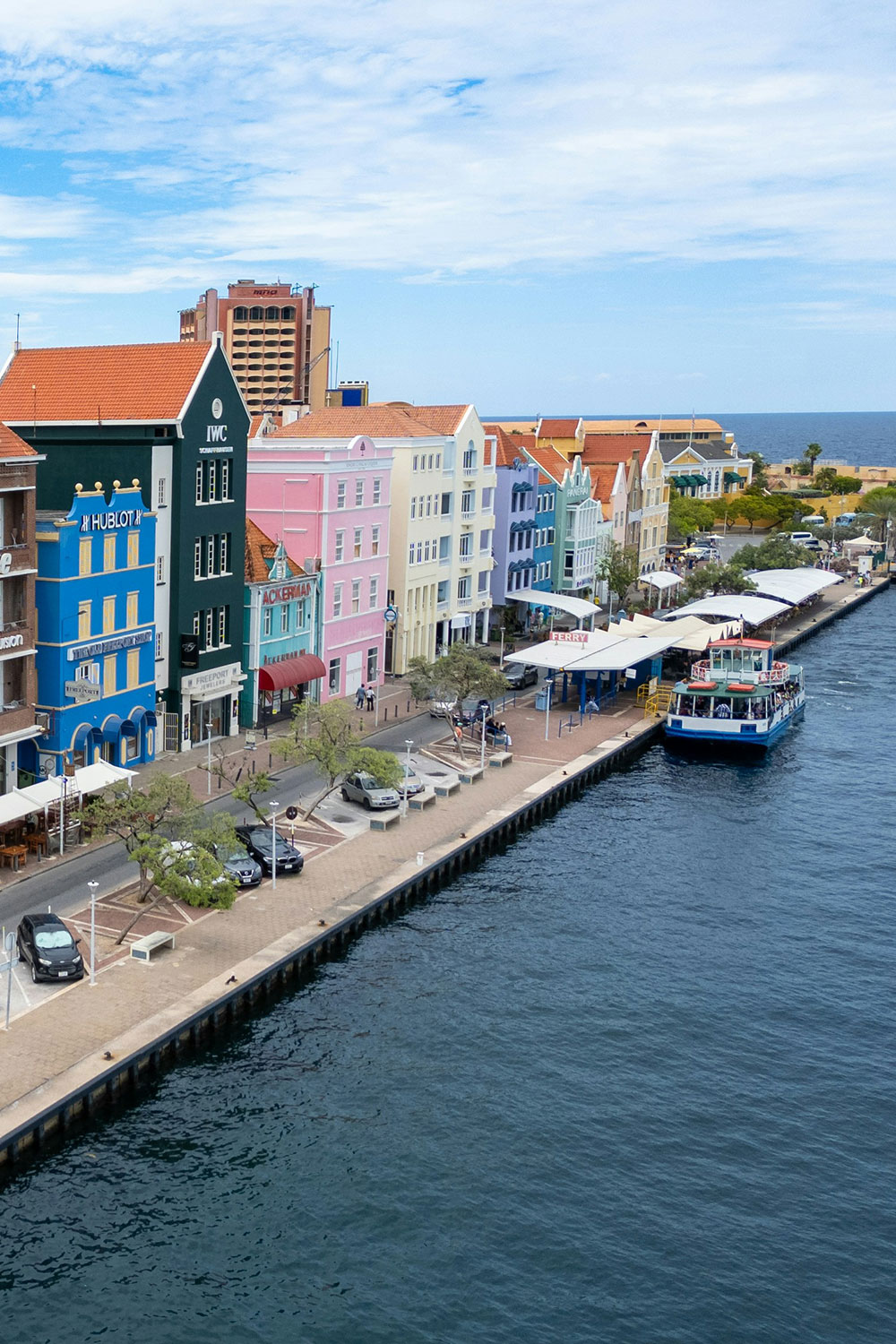
If you cross the water, the energy shifts. Otrobanda has a grittier, more artistic soul, and the Pietermaai District, where faded colonial buildings have been carefully reimagined into restaurants, galleries, and intimate bars; it is worth an evening entirely on its own.
Downtown Willemstad is best explored on foot; make sure your packing list includes comfortable shoes and come without a fixed schedule. Visit in the evening to see the lights reflected in the lit-up water. Visit on a Thursday night to catch Punda Vibes, an outdoor street festival with music, lights, and entertainment that fills the district with a festive, family-friendly atmosphere.
Visit in the morning with a coffee and nowhere to be, and you’ll understand why people fall in love with this city so quickly. Getting here is easy by taxi, rental car, or bus from anywhere on the island.
The Queen Emma Bridge – An Iconic Pontoon Bridge
If Willemstad has a heartbeat, it lives in the Queen Emma Bridge. Stretching across St. Anna Bay and connecting the city’s two halves, Punda on one side, Otrobanda on the other, this is not an ordinary crossing. It’s a floating pontoon bridge, and it swings.
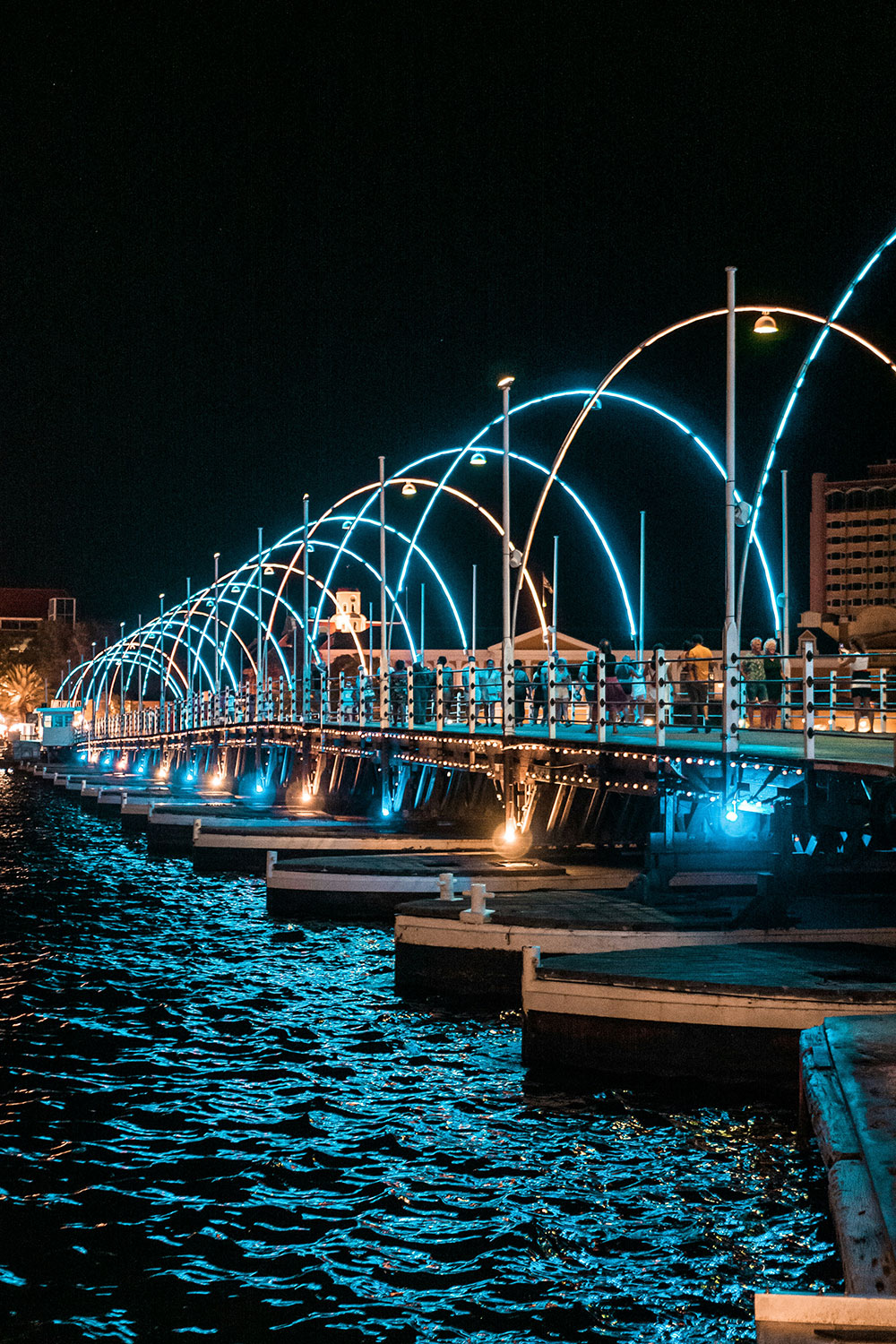
Built in 1888, the bridge is supported by 16 pontoon boats and is presumed to be the only permanent wooden pontoon bridge in the world. Several times a day, without much warning, a siren sounds, the entrance gates slam shut, and the entire 168-metre structure pivots slowly sideways on its hinge, powered by two diesel engines, to let ocean-going ships pass through into the harbour.
It takes only a few minutes, but every single person nearby stops to watch. It’s oddly theatrical, genuinely impressive, and absolutely free to see.
When the bridge is open for ships, two free ferries spring into service, shuttling pedestrians across the bay so the crossing is never interrupted for long.
The bridge is equally beautiful at night, when its lighting arches cast a shimmering rainbow of colour across the water. Plan to see it at both times of day if you can; the two experiences feel completely different. The bridge is pedestrian-only and right in the heart of Willemstad, making it an effortless addition to any city walk.
The Floating Market – Fresh Fish, Fruits and Vegetables Sold From Colorful Wooden Boats
The Floating Market has a slight identity problem that’s worth addressing before you go: it doesn’t float. Yet, it is still worth visiting.
The market itself is firmly on land, set up along the Sha Caprileskade waterfront on the Punda side of Willemstad. What floats, or rather, what docks, are the boats.
Every day, wooden vessels from Venezuela make the 40-mile crossing, their holds loaded with fresh produce, and the sailors sell directly from the quay, living aboard their boats for weeks or months at a time while tending to their stores.
Once you get there and let go of the floating-versus-not-floating technicality, the market is genuinely alive in a way that few tourist stops are. Vendors sell just-caught fish alongside tropical fruits and vegetables (plantains, citrus, papayas, avocados) directly from under canvas tents along the waterfront.
The air carries that particular mix of sea salt, ripe fruit, and spice that you only find in markets that have been doing the same thing for generations. The atmosphere shifts between Spanish, Papiamentu, Dutch, and English depending on who you’re talking to.
Go in the morning for the best selection, the freshest produce, and the cooler hours before the midday sun takes over. Prices aren’t displayed, so a little friendly negotiation is part of the experience. Whether you buy anything or not, it’s a five-minute walk from Handelskade, takes no planning, and gives you a slice of everyday Willemstad life that no museum or tour can quite replicate.
Kura Hulanda Museum – Learning More About Curaçao’s History
Curaçao’s history is complex, layered, and not always comfortable and the Kura Hulanda Museum in Willemstad’s Otrobanda district is where it is told with clarity and care.
Housed in a former merchant’s home and slave quarters, the museum holds an extensive collection of African art, pre-Columbian artifacts, and powerful exhibits about the transatlantic slave trade, including a replica of a slave ship’s cargo hold.
This is not an easy visit. Many people leave feeling sober and reflective, and that’s entirely appropriate. But it’s also a visit that most people say they wouldn’t skip; it offers a depth of understanding about Curaçao, the Caribbean, and the Atlantic world that enriches everything else you see on the island.
The museum doesn’t just document suffering; it also celebrates the resilience and lasting cultural contributions of the African diaspora. If you can, take the guided tour. The history here deserves more than a self-guided scroll.
It is centrally located in Otrobanda, making it easy to combine with a walk through Willemstad. Allow at least two hours.
Pietermaai District – Perfect Spot For An Evening Outing
The Pietermaai District occupies a small stretch of Willemstad that feels like it operates on a slightly different frequency than the rest of the city. Once a faded residential neighbourhood, it has been carefully and beautifully restored into one of the island’s most atmospheric spots to eat, drink, and wander.
Colourful renovated buildings, art galleries, lively cafes, and independent bars create a bohemian energy that’s relaxed without being sanitized.
This is the area for an evening out. The streets are lit well, the restaurant options are genuinely good, and there’s enough going on that you could wander for hours without a plan. Street art appears on walls between historic facades, and the general vibe rewards slow walking and spontaneous stops. It also sits right on the water, which gives the whole neighbourhood a pleasant breeziness.
Fort Nassau Restaurant – Great Food, Great Views
There’s a quote that gets thrown around whenever anyone asks for a restaurant recommendation in Curaçao: “You haven’t seen Curaçao if you haven’t been to Fort Nassau.”
It sounds like marketing, and maybe it is a little, but after you’ve sat on that terrace at sunset with a cocktail in hand and Willemstad spread out below you in every direction, you’ll find telling yourself ‘Oh, so good that I came here’.
Fort Nassau was built in 1797 to defend the island’s harbour entrance, and today it sits high on a hill with a 360-degree view over Willemstad, its two famous bridges, and the sea stretching away to the horizon. The setting alone would justify a visit but the fact that the kitchen is genuinely good makes it the island’s most complete dining experience.
The menu can best be described as casual fine dining, international in scope, Caribbean in spirit, with fresh seafood and well-executed meat dishes that feel considered rather than generic.
The cocktails on the terrace before dinner, watching the sky turn amber and gold over the harbour, are worth a visit on their own. Book ahead; this place fills up, especially around sunset. Arrive slightly before the sun goes down, claim a terrace spot, and let the evening take care of itself.
Santa Martha Bay View Lookout Point – View That Stops You In Your Tracks
If you love visiting viewpoints (and who doesn’t love?), add visiting Santa Martha Bay View Lookout Point to your Curaçao itinerary. Tucked along the road toward Santa Martha Beach on the western side of the island, this elevated vantage point sits quietly above a bay so beautiful that first-time visitors regularly stop mid-sentence when it comes into view.
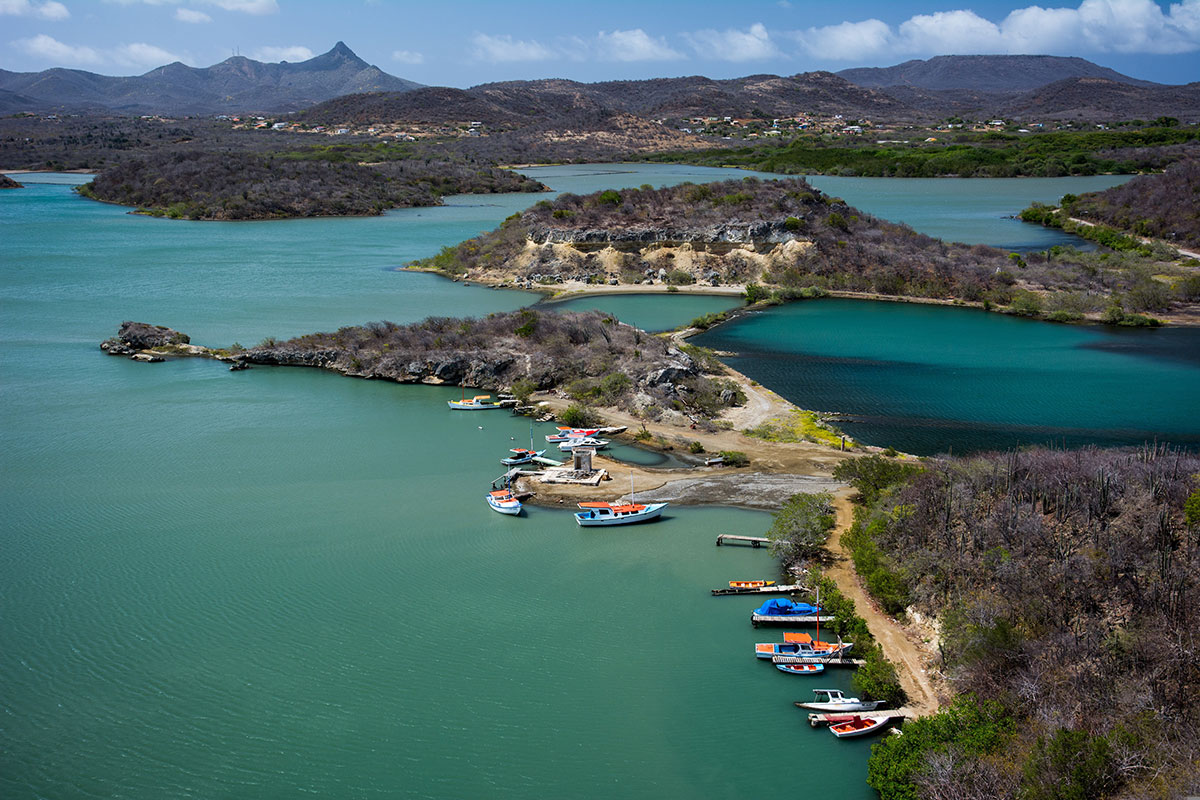
The lookout offers a 270-degree panorama over the entire bay, and the best part is that hardly anyone is ever up there. No queues, no tour groups, no one photobombing your shot. Just you, the view, and the kind of silence that makes you feel like you’ve discovered something most travel guides forgot to mention.
The road leading up is narrow, bumpy in places, and has a couple of blind curves that deserve your full attention, so take it slowly, drive carefully, and treat the journey as a warm-up for what’s waiting at the top. Parking is limited to a handful of cars, and there’s no entry fee.
Sunset is when this lookout truly earns its reputation. Go in the late afternoon, find a spot to sit, and let the island slow you down completely.
Curaloe Aloe Vera Farm – From Desert Plant To Skincare in 45 Minutes
Curaçao and aloe vera have a longer relationship than most visitors realize. The island’s dry, baking climate, the same one that makes farming most crops a challenge, turns out to be exactly what the aloe plant thrives in. And nowhere does the island wear that botanical history more proudly than at the Curaloe Aloe Vera Farm.
The farm cultivates and harvests aloe directly on-site, and the guided tour takes you through the fields and into the factory itself, walking you through the full journey from plant to finished product. What makes it more than just a factory visit is how hands-on it gets.
Guides walk you through the fields, show you the process of preparing the leaves, and then let you try it yourself: filleting a fresh aloe leaf, extracting the gel, and using it to make your own after-sun spray to take home. There are also aloe smoothies involved, which sound unusual but taste surprisingly good.
The whole experience runs about 45 minutes, the price is modest, making it a budget-friendly activity that leaves you with a genuine appreciation for something you’ve probably been buying in bottles your whole life without thinking too much about.
Tours run Monday through Friday, starting from 10 a.m., with afternoon slots available. Just bring a hat and extra water if you’re going after midday, as parts of the tour are outdoors. You’ll need a car to get here.
Grote Knip (Kenepa Grandi) – The Island’s Signature Beach
Grote Knip is the beach that is impossible to miss when on the island. It is one of Curaçao’s best beaches with good reason; it has stunning turquoise waters and picturesque surrounding cliffs. Grote Knip has the kind of setting that makes you want to sit quietly and just look at it for a while.
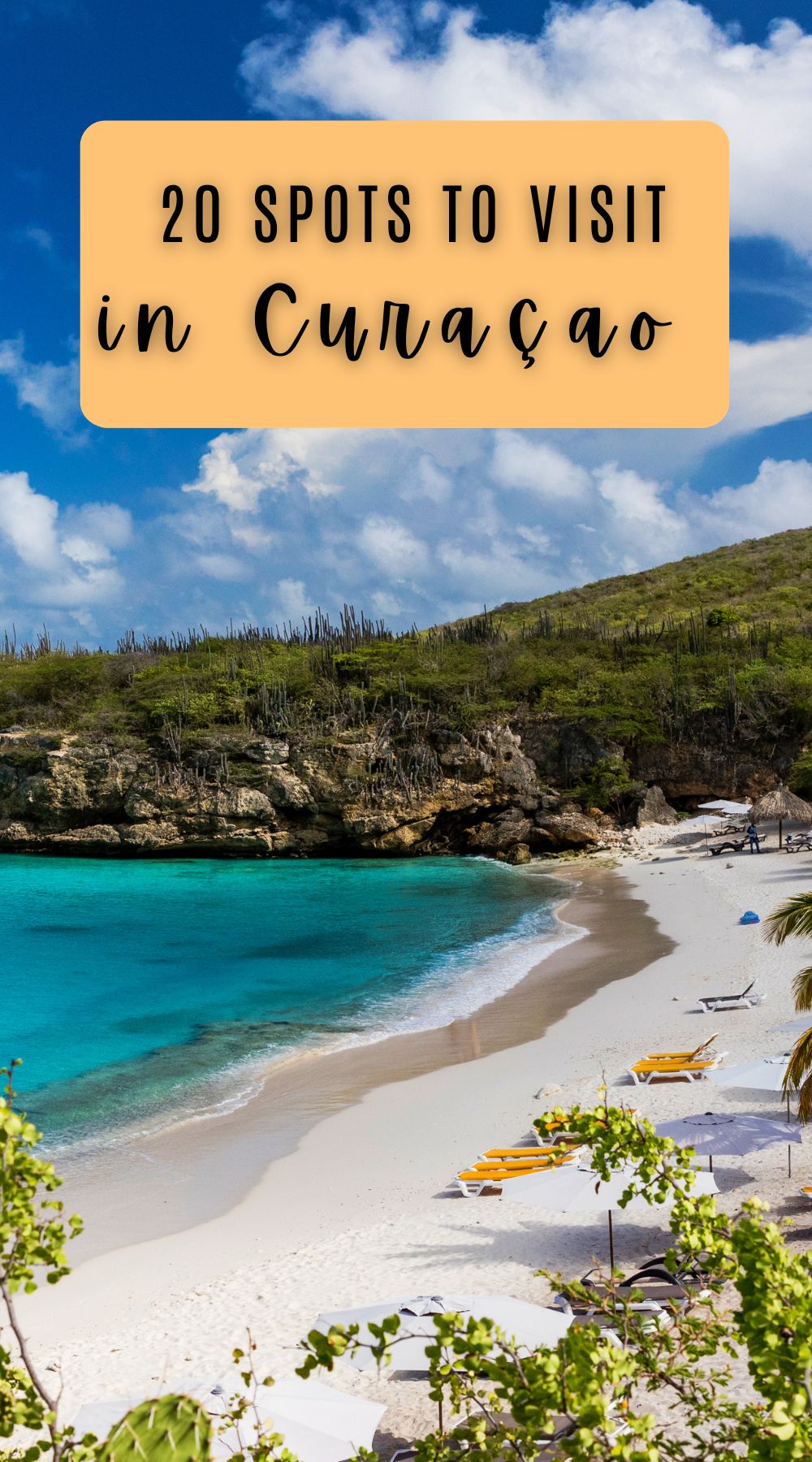
On weekdays, it’s calm and relatively uncrowded; on weekends, it fills up with local families, and the energy shifts into something more festive. Both versions are worth experiencing.
There’s a small bar and facilities on site, and the beach is open to everyone. Combine it with nearby Kleine Knip, just a short drive away, for one of the best back-to-back beach days the island offers.
Playa Piskado – Swimming With Sea Turtles
Playa Piskado, also known as Playa Grandi, is the spot where it’s easiest to see sea turtles on Curaçao. They congregate here in remarkable numbers, drawn in by the fishing boats that dock at the adjacent jetty and the steady supply of scraps that go into the water.
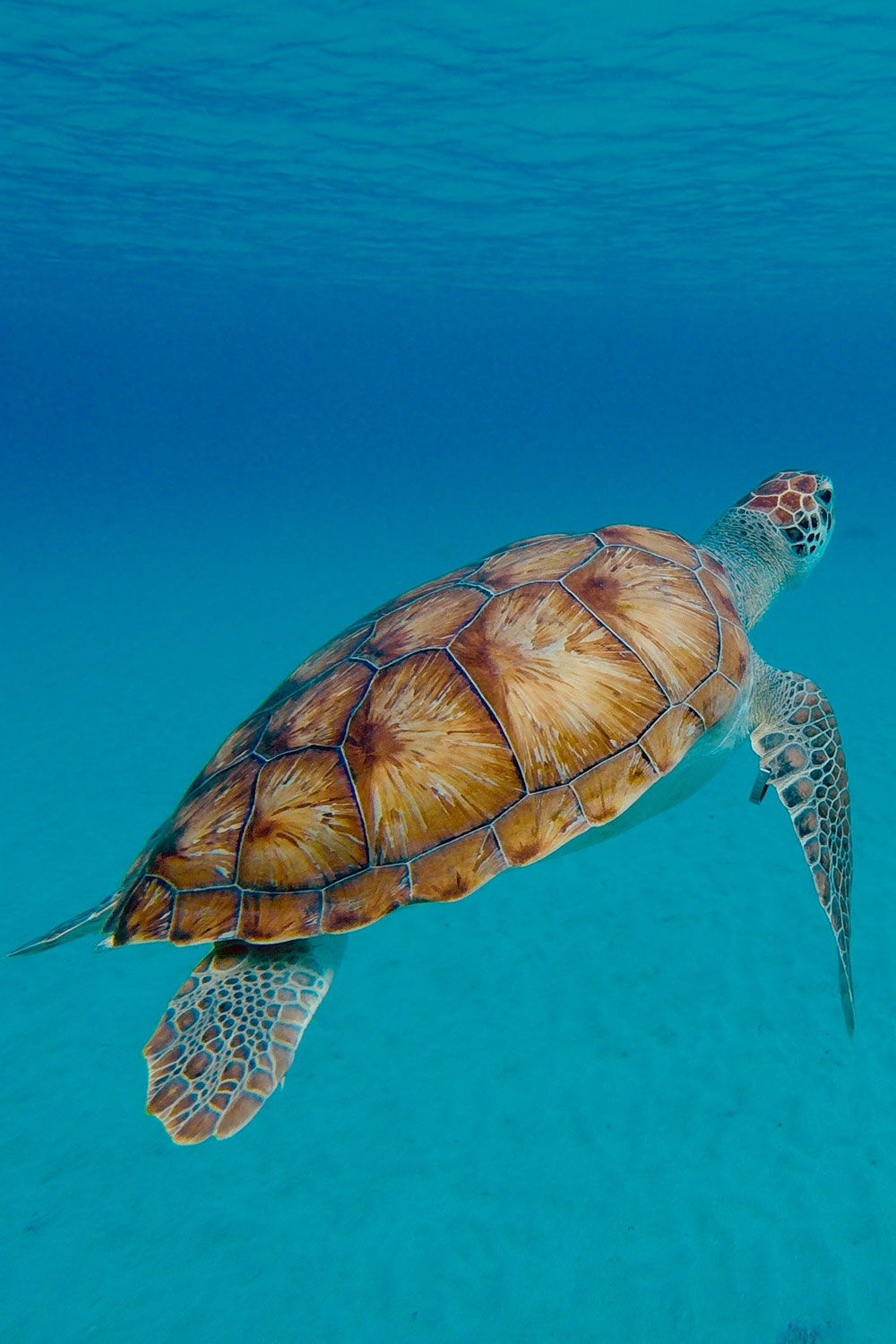
The experience is surprisingly accessible. You don’t need a tour, a boat, or any particular snorkeling skill. You wade in from the beach and, within minutes, you will see turtles swimming near you, often within arm’s reach, though remember, do not touch, feed, or chase them.
Give them space: bring an underwater camera and your snorkel gear to observe and photograph these wonderful creatures.
Tugboat Beach – An Interesting Underwater Sight To Explore
If you love snorkeling and underwater sights, Tugboat is another well-worth visiting spot. The name is literal. There is an actual tugboat, and it is actually submerged, and it is a genuinely interesting thing you can snorkel over.
It has quietly earned its reputation as Curaçao’s most popular snorkeling spot. You’ll need a car to find this spot; follow the painted signs along the dirt road toward Caracas Bay.
The wreck sits roughly 50 meters from shore at a depth of around five meters, shallow enough for confident snorkelers to hover right over it, deep enough to feel like a proper discovery. It sank here more than 30 years ago and is now overgrown with coral.
A word of honesty about the beach itself: it’s not picturesque; it sits next to an industrial area, and the shoreline is made up of sand, rocks, and coral rubble. Wear water shoes for the entry, and once you’re in the water, none of that matters at all.
After you’re done snorkeling, the Tugboat Bar is right there, a quirky, artsy beach bar decorated with driftwood art and wind chimes, with friendly owners and sunset drinks that make a perfect ending to the afternoon.
Klein Curaçao – A Deserted Island With White Sand And Transparent Water
Of all the experiences Curaçao offers, Klein Curaçao is the one that people most struggle to describe without sounding like they’re exaggerating.
This tiny, uninhabited island about 15 miles off the southeast coast is home to the whitest and longest beach on Curaçao, with electrifying blue water and a handful of free shade structures for those who make the trip.
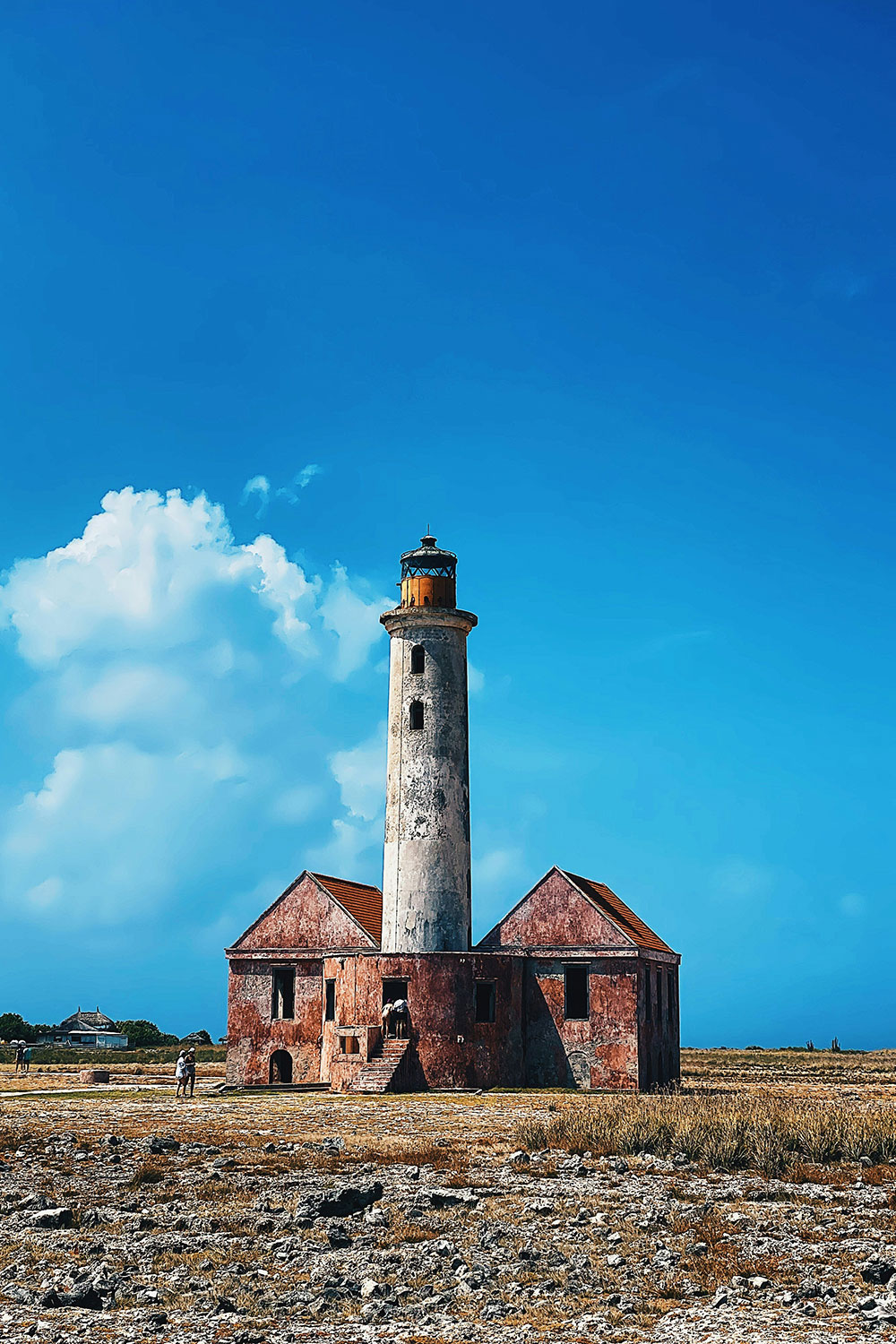
The island is a day trip only, reachable by catamaran in just under two hours. On the other side of the island from the beach, you’ll find a shipwreck slowly being reclaimed by the sea and an abandoned lighthouse. The island is also a turtle breeding ground, which means snorkeling here has a genuine chance of a close encounter.
The key to Klein Curaçao is managing expectations in the right direction; there is nothing there except beach, water, and silence, and that’s entirely the point. The boats bring everything you’ll need for the day. Book through one of the established tour operators, pack reef-safe sunscreen, and settle in for a day that requires absolutely nothing of you.
Cas Abao Beach – The Island’s Comfiest Beach Experience
If Klein Curaçao is the island escape, Cas Abao is the quintessential Curaçao beach day. Located on the northwest coast, this is the beach that tends to appear on magazine covers, and visiting it in person, you understand exactly why.
Powdery white sand, turquoise water, lush surroundings, and a house reef just offshore teeming with tropical fish all combine into something that feels almost unreasonably good.
Unlike some of the more remote beaches, Cas Abao is properly set up for a full day: sun loungers, a beachside bar, food, and snorkel rentals are all available on-site. A small entry fee applies, and the beach is best reached by car.
Go on a weekday if you can; weekends bring local crowds, and while that energy is lovely, the quieter version of Cas Abao is hard to beat. I planned to stay for an hour and stayed until the late afternoon. That seems to be a common story here.
Hato Caves – Exploring The Underground Side Of Curaçao
Just north of Willemstad, the Hato Caves offer a fascinating underground detour that most visitors end up genuinely glad they took.
The cave system is home to stalactites and stalagmites that have been forming for thousands of years, but what makes Hato particularly interesting is its human layer of history: the caves once sheltered indigenous Arawak people, and you can see traces of their presence in the formations that were used as landmarks and gathering places.
The guided tour takes around 45 minutes and moves through several chambers with good lighting and well-maintained pathways. The cave’s resident colony of long-nosed bats adds an atmospheric touch.
It’s cool inside, which is a genuine relief on a hot Curaçao afternoon, and the whole experience is accessible to most fitness levels. Combine it with a morning in Willemstad for a well-rounded day on the island’s eastern side.
Curaçao Liqueur Distillery & Landhuis Chobolobo – The Story Behind The Famous Blue Bottle
No trip to Curaçao is quite complete without understanding where the island’s most famous export actually comes from. The blue liqueur that shares the island’s name is produced at Landhuis Chobolobo, a beautiful 19th-century mansion in Willemstad’s suburbs, using the dried peels of the laraha citrus, a bitter orange unique to the island.
The distillery tour is informative, relaxed, and ends in a tasting room where you can sample the different varieties. including the famous vivid blue version, but also a range of more subtly flavoured options.
The building itself is gorgeous and makes for excellent photos. It’s a genuinely interesting place to see that connects the island’s history to something tangible you can taste.
Christoffel National Park & Mount Christoffel – Hiking To The Top Of The Island
If someone tells you Curaçao is flat and featureless, they haven’t been to Christoffel National Park. Covering the island’s northwestern corner, this is where Curaçao shows you its wild, untamed side. Dense scrubland, limestone formations, rare orchids, white-tailed deer, and at the center of it all, Mount Christoffel.
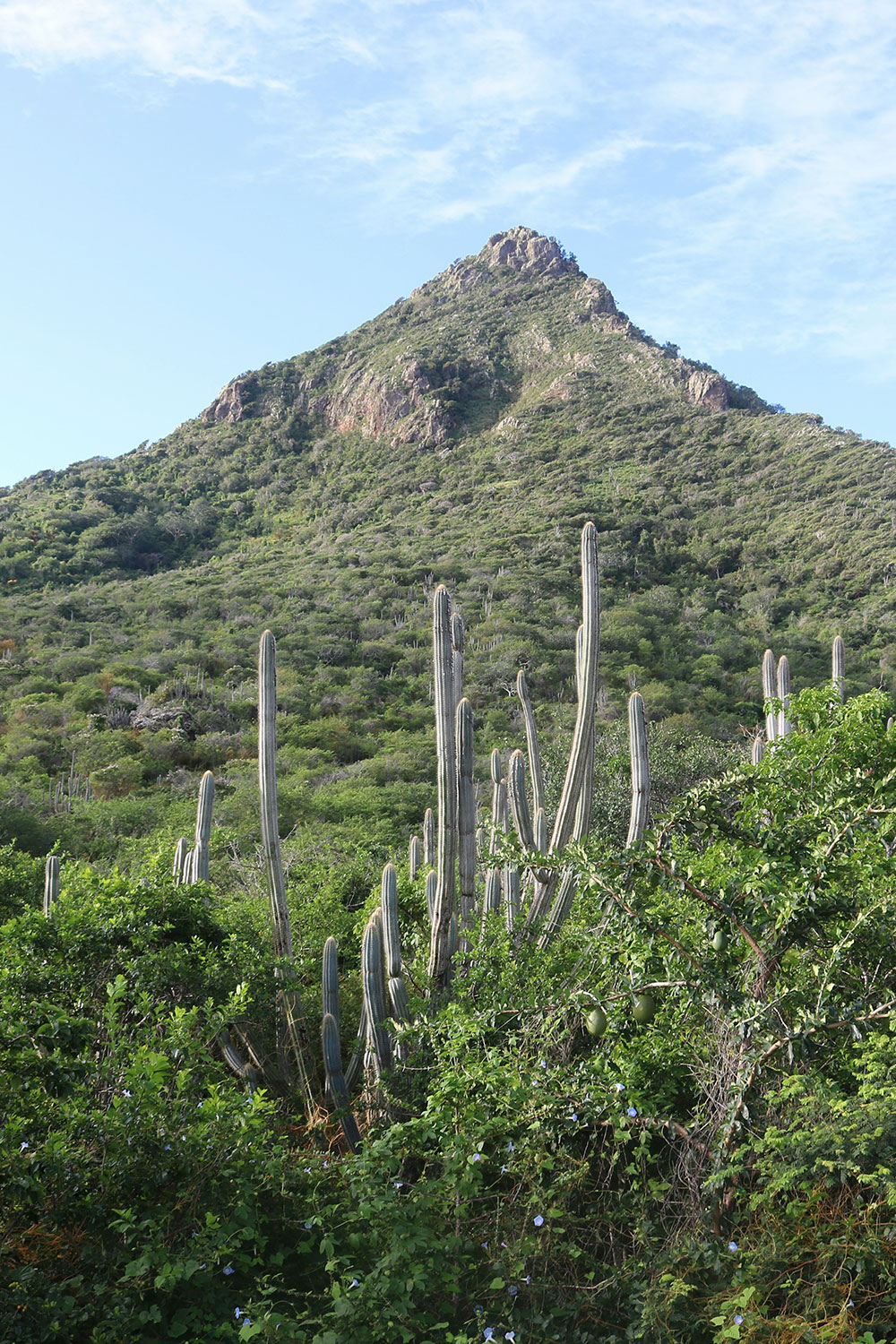
Standing at 1,220 feet (372 m), Mount Christoffel is Curaçao’s tallest peak. But note that the hike to the top is no casual stroll; the trail gets genuinely steep toward the summit, and a few sections require using your hands.
But the view from the top is the kind that makes you feel very small in the best possible way. You can see the entire island spread out below, coast to coast, with the sea stretching away in every direction.
The best is to begin the climb before 10 a.m. due to the extreme afternoon heat, take this seriously. An early start in the cooler morning air makes the whole experience far more enjoyable. Bring at least two liters of water per person, wear proper shoes, and don’t forget sunscreen and a hat.
Shete Boka National Park – Discovering The Island’s Raw Side
Shete Boka is the kind of place that resets your idea of what a national park can feel like. Located on Curaçao’s rugged northern coast, this isn’t a park of gentle trails and pretty viewpoints.
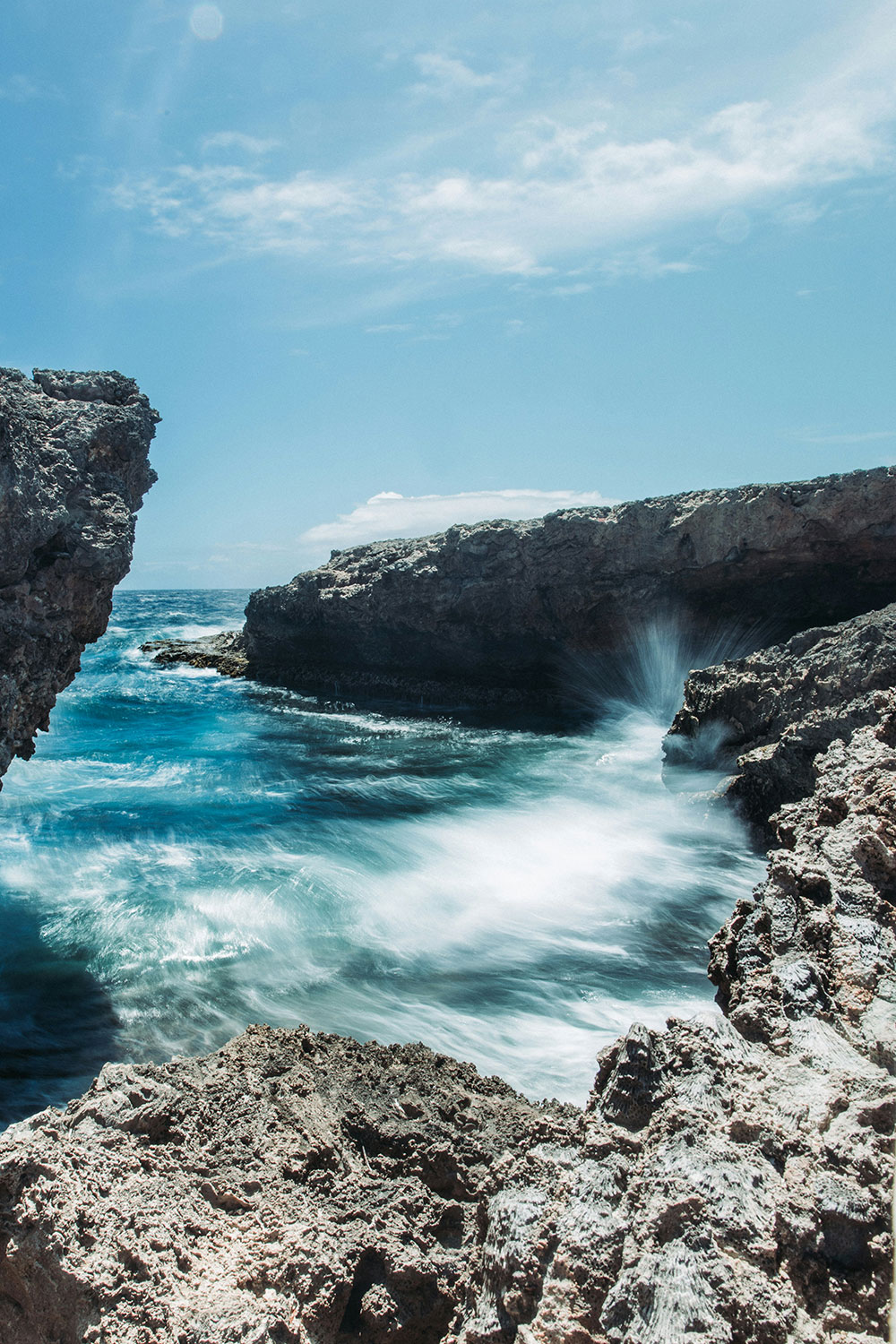
“Shete Boka” means seven inlets, and the park takes its name seriously: the coastline features dramatic limestone cliffs, crashing waves, and sea caves, with the most popular spot being Boka Tabla, a cavern where waves crash inside with a thunderous roar.
Standing at the entrance to Boka Tabla and watching waves explode into the cave below you is an awe-inspiring experience. From there, a trail connects the various inlets along the coast, each one completely different in character. The park is also a protected nesting site for sea turtles, iguanas, and seabirds. Good shoes are essential as the coastal terrain is uneven and rocky.
Curaçao Children’s Museum – Interactive Fun For The Whole Family
If you’re travelling with young kids and looking for an activity that holds their attention for more than twenty minutes, the Curaçao Children’s Museum deserves a spot high on your list. This isn’t the kind of museum where children trail behind adults reading plaques on a wall. It’s the opposite of that entirely.
Designed for children aged one to ten, the museum is built around the idea that kids learn best when they’re allowed to touch and explore everything. Interactive indoor exhibits sit alongside a fully accessible outdoor playground, making it a practical retreat on a hot afternoon when everyone has had enough sun and needs a change of scene.
What makes this place stand out on an island that’s mainly beach-focused is how genuinely imaginative the experience feels. Every corner of the space is designed to spark curiosity rather than deliver information, which means even the shyest kids tend to warm up quickly and start exploring on their own terms.
It’s centrally located and easy to reach by car or taxi, and it pairs naturally with a wander through Willemstad afterward, giving the whole family a well-rounded activity.
The Wild Flamingos of Sint Willibrordus – Observe These Rare Birds In Their Natural Habitat
Here’s something that most travel guides bury deep in a listicle: Curaçao has wild flamingos, and seeing them in their natural habitat is completely, genuinely wonderful. The best place to spot them is near the town of Sint Willibrordus, where birds gather in shallow water, sometimes close enough to the road for a decent look.
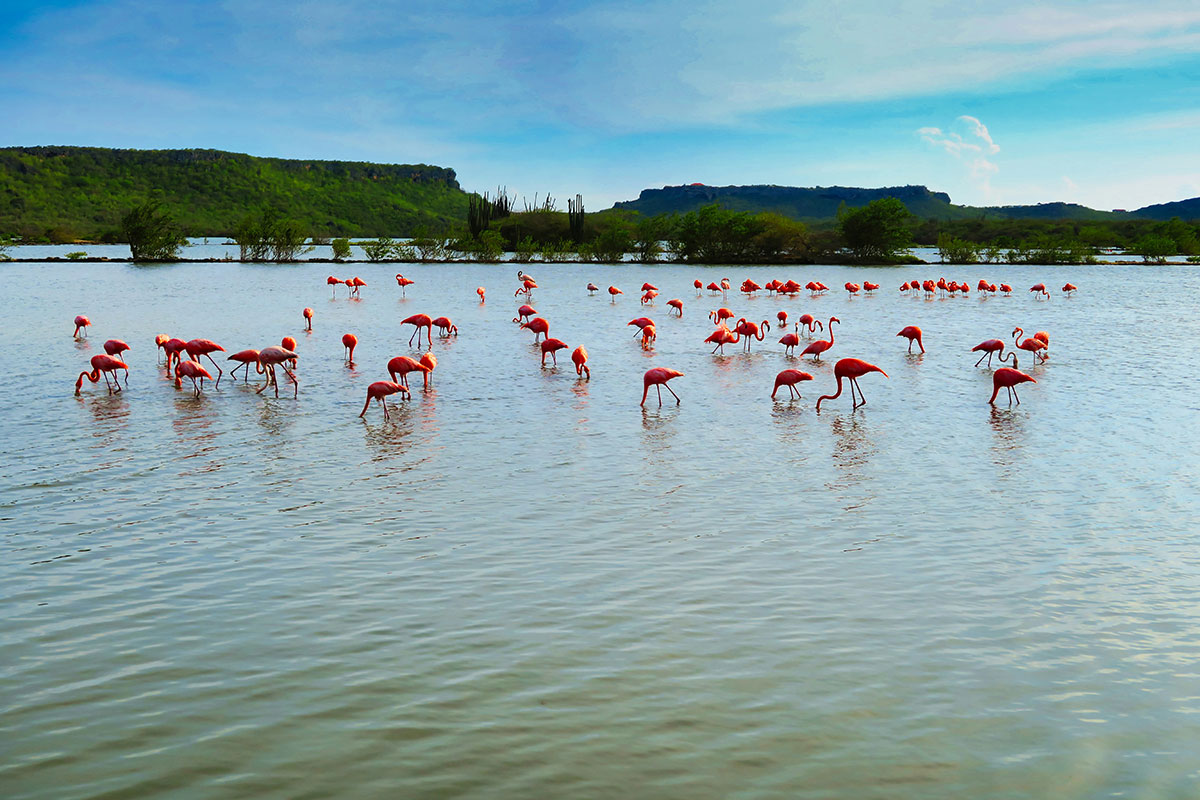
There’s no fee, no booking, no tour required. You drive past, pull over, and if the timing is right, particularly in the early morning, you might find a group of them in the water just a few dozen meters away. While you’re in the area, the nearby Church of Sint Willibrordus, a striking orange and pink building, also worth a photo stop.
Curaçao Ostrich Farm – Getting Up Close With Interesting Birds
If there’s one stop in Curaçao that reliably gets a better reaction than people expect, it’s the Ostrich Farm. This isn’t a zoo but a working farm where ostriches and emus roam freely across open ground, and the guided tour puts you right in the middle of it all.
At some point on the tour, you will find yourself holding out a feed bowl while an ostrich twice your height stares you down with complete confidence, and that moment will make everyone in your group laugh.
Younger kids tend to be simultaneously terrified and delighted, which is basically the gold standard for family travel. There’s an African-themed restaurant on site where you can try ostrich steak if curiosity gets the better of you.
The whole experience runs about 45 minutes to an hour, making it an easy half-morning activity that pairs well with a nearby beach visit afterward. It’s located near the airport and easy to reach by car, making it a practical choice for departure day, or a fun mid-trip detour when you’re looking for something a little different from the usual island routine.
Curaçao is a small island, but it punches well above its weight. Whether you’re chasing powder-white beaches, exploring rugged national parks, diving into centuries of history, or simply searching for that perfect sunset view, it’s all here, and often just a short drive apart. There’s something on this island for every type of traveler, and the hardest part of any trip to Curaçao isn’t finding places to visit, it’s accepting that you’ll need to come back to see the rest.