
Santorini Travel Guide: Let’s Uncover If It’s Still Worth It in 2026
You’ve heard about Santorini. From friends who won’t stop talking about the sunsets. From couples’ photos flooding your social media feed. From that perfectly framed infinity pool shot that made you pause mid-scroll.
At some point, you probably felt one of two things: either that you’ve somehow missed out by not visiting this iconic island yet or that you deliberately decided to skip it because it seemed too crowded, too overhyped, too obvious. And yet… It’s still on your mind.
Here’s the truth: Santorini is still popular. Very popular. Definitely not a not-worth-visiting destination. It’s simply not an accidental one.
Santorini rewards travelers who choose intentionally — the right area, the right hotel, the right season, even the right time of day. Do that well, and the experience shifts from overwhelming to unforgettable.
So let’s uncover what Santorini really looks like in 2026 — who it’s for, where to stay, what to expect, and whether this legendary destination still deserves a place on your travel list.
Is Santorini Still Worth Visiting in 2026?
Yes, Santorini is popular. Yes, it’s photographed endlessly. The island carries a reputation. Crowded viewpoints. Viral sunset spots. Cruise ships lining the horizon. It’s easy to assume the magic has faded under the weight of its own popularity.
But here’s what most people don’t tell you: Santorini’s appeal was never about being undiscovered. It was always about how it makes you feel when you first see that caldera open up in front of you.
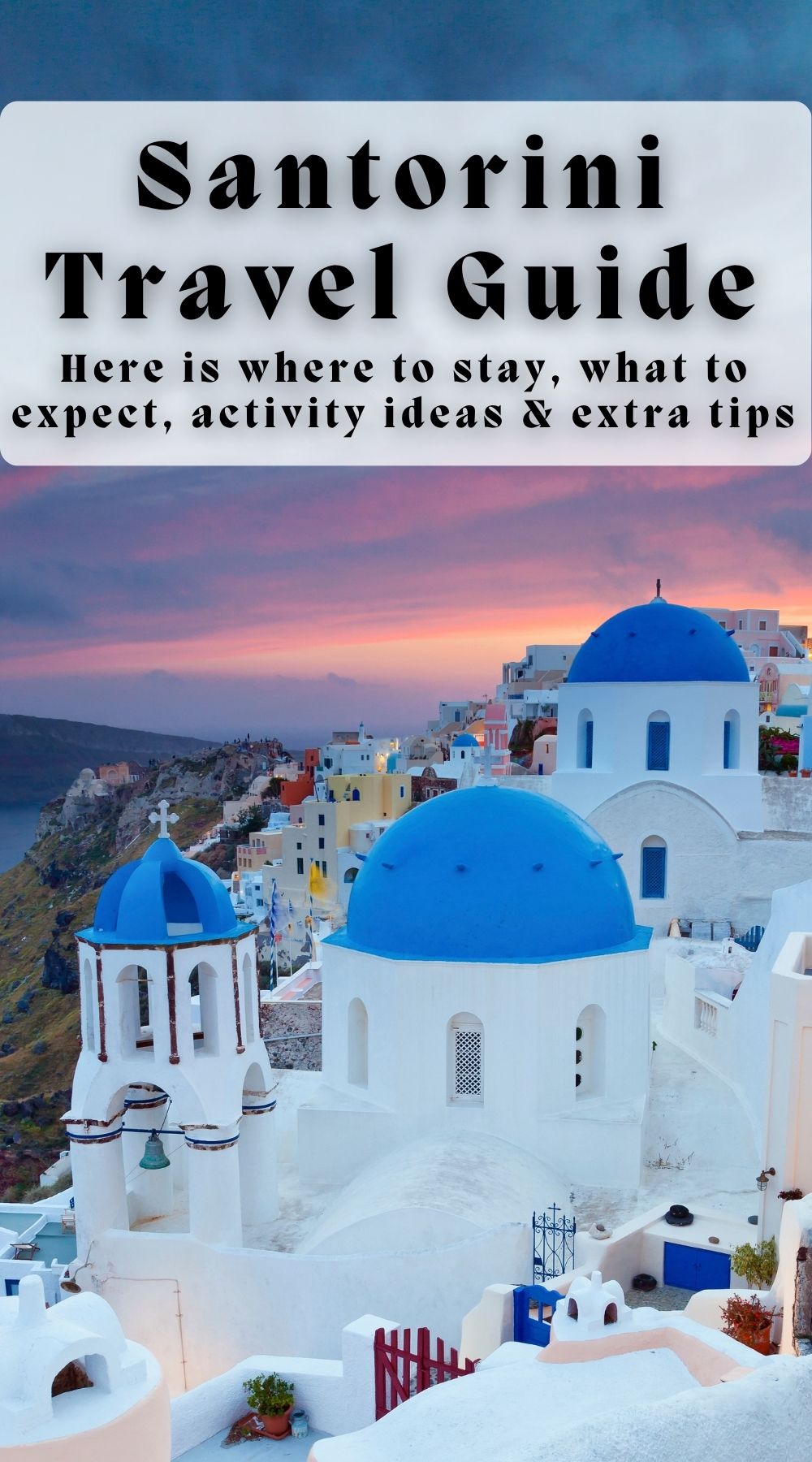
Very few places in Europe combine this kind of view; volcanic drama, sculpted white architecture, and that quiet, almost cinematic atmosphere in the same way. So, no doubt, it is still one of the most beautiful Greek islands. That said, Santorini is absolutely still worth visiting — but only if you approach it with intention.
It’s no longer about rushing to Oia just to tick off the sunset. It’s about choosing the right base, waking up early to walk the caldera path in near silence, booking a hotel that gives you space rather than stress, and understanding that this island is best experienced slowly. When approached this way, Santorini still delivers — beautifully.
Who Will Truly Enjoy Santorini?
Santorini isn’t for everyone, and that’s exactly why it works so well for the right kind of traveler.
If you’re drawn to romance, to places that feel cinematic rather than casual, you’ll understand Santorini immediately. This is the island for sunset lovers, for terrace moments with a glass of wine, for couples celebrating something meaningful — whether that’s a beach wedding, a honeymoon, an anniversary, a milestone birthday, or simply being somewhere unforgettable together.
It also speaks to travelers who care about aesthetics and enjoy luxury. If you appreciate design-forward cave suites, infinity pools carved into cliffs, and architecture that feels sculpted rather than built, Santorini delivers in a way few destinations do.
Photographers and visual thinkers tend to fall hard for it too — the contrast of whitewashed curves against the deep blue caldera rarely disappoints.
And if it’s your first time in Greece and you’ve always imagined that iconic Cycladic scene — blue domes, dramatic cliffs, golden light — Santorini offers it in its most recognisable form.
But let’s talk about the other side too, for whom is this island destination not recommended?
It may not be the right fit if you’re traveling on a very tight budget, prioritising easy-to-access long sandy beaches, or hoping to enjoy quiet beaches without crowds. The island is vertical, filled with steps and winding paths, and it can feel intense in peak season.
Santorini is dramatic, elevated, and occasionally demanding. But for travelers who appreciate atmosphere over ease, that intensity is part of what makes it so memorable.
Where to Stay in Santorini? Choosing the Right Area Matters
In Santorini, where you stay isn’t just a practical decision — it shapes your entire experience. The island may look small on the map, but its atmosphere changes dramatically from village to village.
Choosing the right base determines whether your trip feels serene or social, secluded or central, iconic or understated.
Many travelers make the mistake of booking the first highly-rated hotel they see without considering the area. In Santorini, that matters. A caldera-view suite in a quiet village feels very different from a beachfront stay on the eastern coast. Before you choose your hotel, choose your rhythm.
Oia – For Iconic Romance
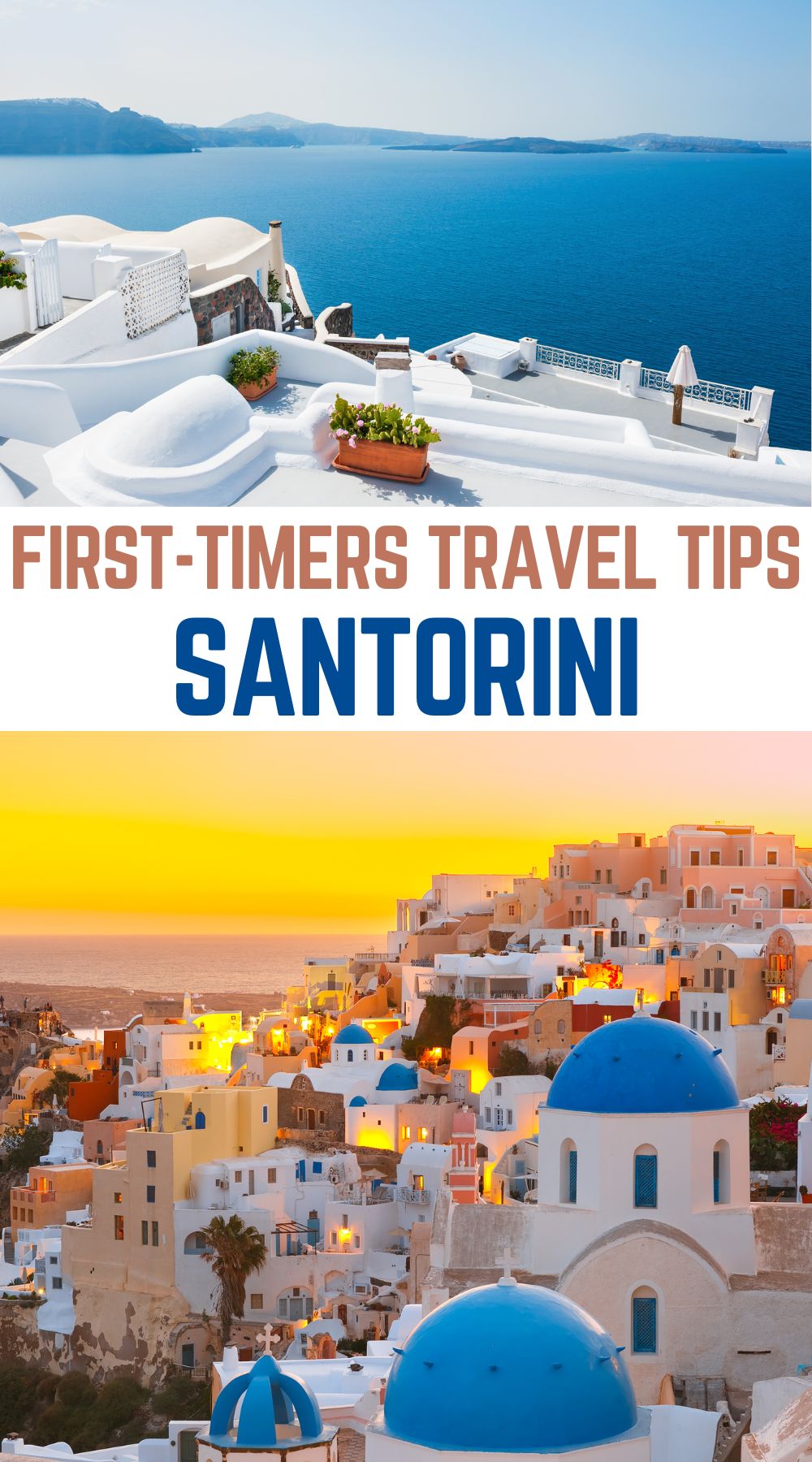
Oia is the Santorini you’ve seen a hundred times on social media. Whitewashed houses cascading down volcanic cliffs, blue domes, and sunsets that gather applause every evening. It’s undeniably beautiful — and undeniably popular.
If this is your first visit and you want the full iconic experience, it is a good choice. It’s especially suited for couples and milestone trips, but it comes with premium pricing and peak-season foot traffic.
Imerovigli – For Quiet Caldera Views
Often called the “balcony of the Aegean,” Imerovigli sits slightly higher along the caldera and feels noticeably calmer. The views are just as dramatic, sometimes even more expansive, but the atmosphere is more peaceful.
It’s ideal if you want romance and scenery without the constant movement of Oia. Many honeymooners quietly choose Imerovigli for this reason.
Fira – For Energy & Accessibility
If you want to experience the island’s energetic heart, stay in Fira. It’s busier, more dynamic, and well-connected, making it practical as well as lively. You’ll find restaurants, bars, shops and transport links all within walking distance.
If you enjoy having options and don’t mind a little buzz around you, Fira balances convenience with those signature caldera views.
Pyrgos – For Authentic Charm
For something more traditional, Pyrgos offers a different perspective. This hilltop village feels authentic and residential, with narrow alleys, local tavernas, and panoramic viewpoints without the heavy crowds. It’s perfect for travelers who value atmosphere but don’t need to be in the centre of everything.
Perissa and Kamari – For Beach Lovers & Better Value
On the eastern side of the island, Perissa and Kamari present another version of Santorini entirely.
Here, the terrain is flatter, the beaches are black-sand and swimmable, and accommodation tends to be more affordable. You won’t have caldera views, but you’ll gain space, easier access, and a more relaxed, seaside feel.
Where to Stay in Santorini: Top Options For Every Budget
Santorini’s hotel scene is part of what keeps the island at the top of so many travel wish lists. From sculpted cave suites carved into volcanic cliffs to polished boutique stays and thoughtfully run family hotels, accommodation here isn’t just a place to sleep — it’s part of the experience.
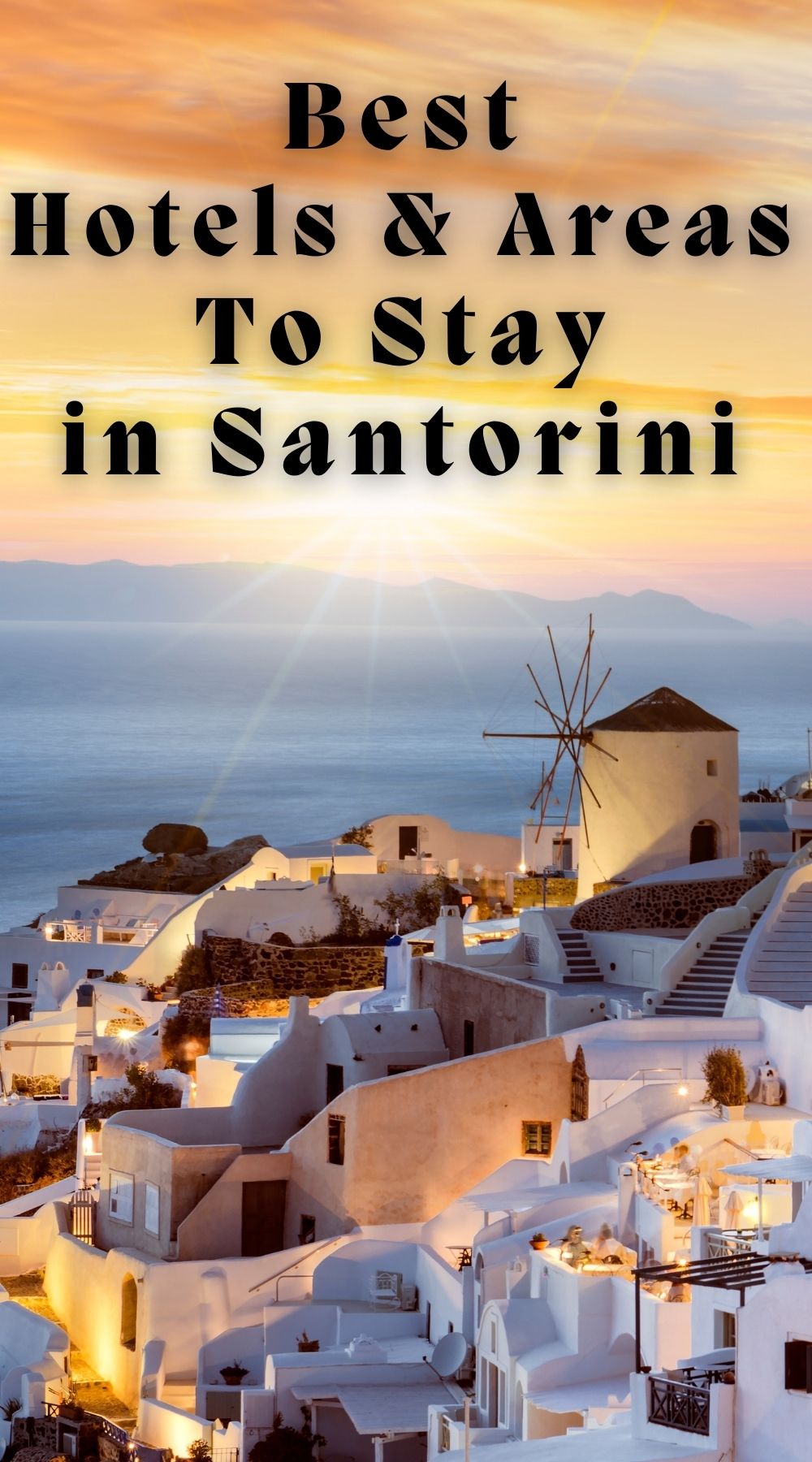
Below are properties that consistently deliver on service, location, and atmosphere, whether you’re seeking full caldera luxury or smart, well-rated value.
For Luxury Seekers
- Canaves Oia Suites (Oia): Refined caldera-facing suites with private plunge pools and impeccable service, Canaves remains a benchmark for Santorini luxury. The design is clean and contemporary while still rooted in Cycladic tradition, and the sunset views from the terraces are among the most photographed on the island.
- Katikies Villa Santorini (Oia): A beautifully intimate offshoot of the flagship hotel, these villa style suites offer extra privacy and space while preserving the same whitewashed elegance and cliffside panoramas. Ideal for honeymooners or couples who want a little more seclusion — with the convenience of nearby Oia just a short stroll away.
- Andronis Concept Wellness Resort (Imerovigli): A serene, design-led retreat focused on space, privacy and holistic wellbeing, set slightly away from the busiest caldera paths. With expansive suites, private pools and a strong wellness philosophy, it feels more secluded and contemporary than many classic cliffside hotels.
Highly Rated Mid Range Options
- Astra Suites (Imerovigli): Boutique sophistication meets breathtaking caldera viewpoints here, with styles that feel both classic and contemporary. Guests consistently praise the intimate vibe, warm service and panoramic terraces that make mornings and evenings feel equally memorable.
- Athina Luxury Suites (Fira): Set right above Fira with panoramic views and easy access to the capital’s dining and nightlife, this hotel blends convenience and scenery in equal measure — ideal if you want balconies with horizon views and a walkable base for exploring.
Value Conscious Stays
- Blue Dolphins Santorini – Firostefani: A well-loved, highly rated hotel that blends comfort with budget-friendly pricing and beautiful Aegean views. Its relaxed vibe and proximity to Fira make it a strong choice if you want a base that’s both social and accessible.
- Blue Sea Hotel (Kamari): Steps from Kamari’s black sand beach, this comfortable, well-reviewed hotel is perfect for travelers prioritizing practicality and seaside access over cliff views. It’s an excellent choice if your Santorini trip includes beach days, casual dinners and a slightly lower nightly rate.
The Island’s Signature Sights – Must-See Spots
Santorini might be a small island, but it has so much to offer. Still, I don’t advise you just run from one sight to the other, but let the scenery unfold slowly. The island reveals itself in layers: dramatic cliffs, quiet villages, archaeological mysteries, and beaches that look almost unreal in color. These are the places that truly define the experience — and are worth building your days around.
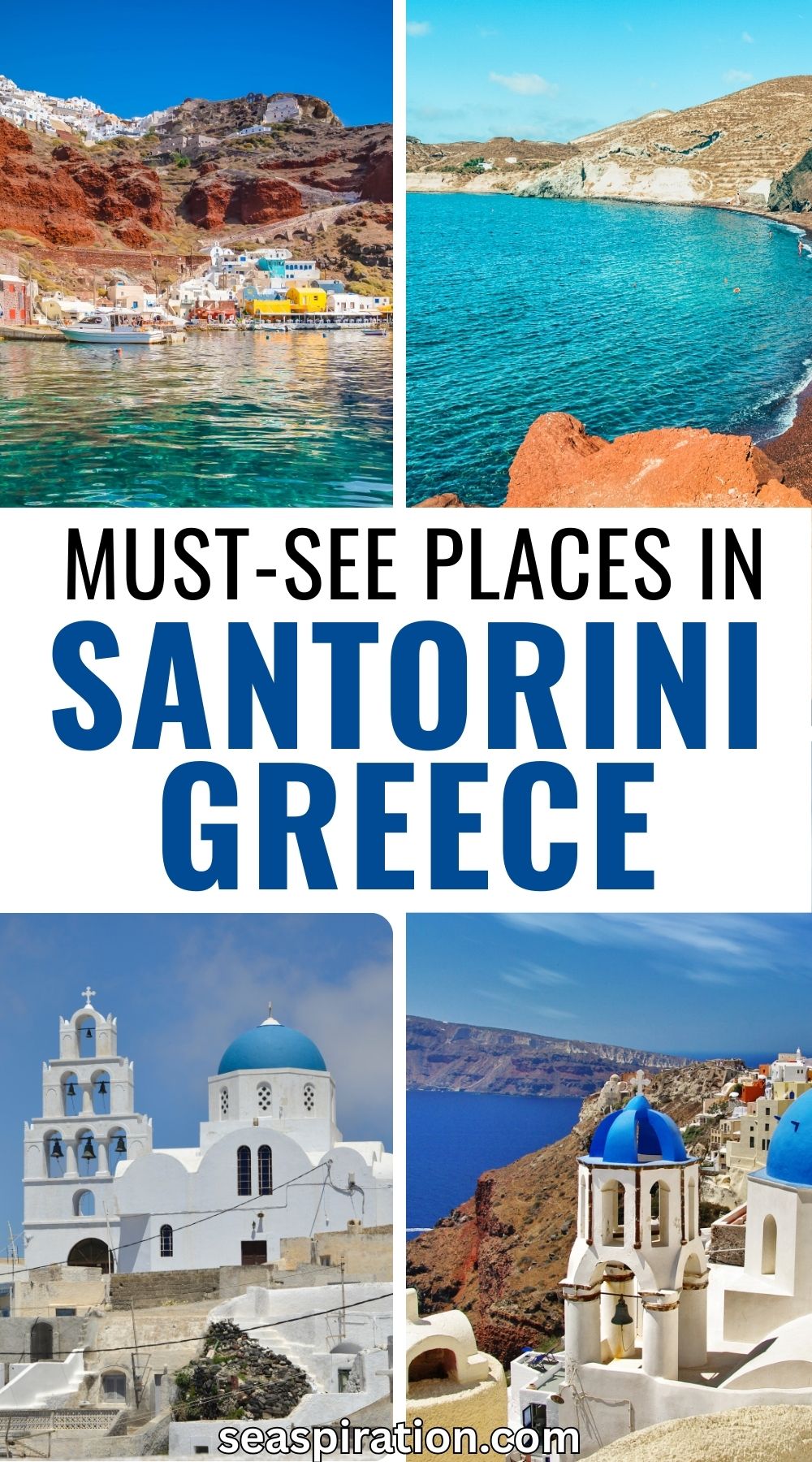
Oia Sunset Viewpoints
Oia Sunset Viewpoints are definitely the most popular spots on the island, and I understand if you don’t want to stand in a queue to take that iconic photo. But enjoying the view as the sun melts into the caldera, washing the white buildings in gold and blush tones, is still a powerful moment.
Arrive early, wander beyond the main castle ruins, and find a quieter corner to make it feel personal rather than crowded.
Fira to Oia Caldera Walking Path
This 10 km cliffside path is one of the most beautiful walks in Europe. It connects Fira, Firostefani, Imerovigli, and Oia, tracing the rim of the volcanic caldera the entire way.
Go early in the morning when the light is soft and the island is quiet — it feels cinematic and almost meditative.
Akrotiri Archaeological Site
Often called the “Pompeii of the Aegean,” this remarkably preserved Bronze Age settlement was buried by a volcanic eruption in the 16th century BC. Walking through its multi-level buildings and ancient streets gives depth to Santorini beyond the views — it reminds you this island has always been extraordinary.
Red Beach
Near Akrotiri, Red Beach is one of Santorini’s most striking natural sights. Rust-colored cliffs rise dramatically above dark sand and deep blue water, creating a surreal contrast. Even if you don’t stay long, it’s worth visiting for the sheer visual impact.
Pyrgos Village
If Oia feels too polished, Pyrgos offers a more authentic rhythm. This hilltop village has narrow winding alleys, traditional houses, and panoramic viewpoints — without the constant flow of tour groups. Climb to the old castle ruins at sunset for one of the island’s best quiet views.
Ammoudi Bay
Below Oia’s cliffs, Ammoudi Bay feels like a secret pocket of Santorini. Colorful fishing boats bob beside waterfront tavernas serving ultra-fresh seafood. Stay for lunch and swim off the rocks in the clear Aegean waters.
Imerovigli & Skaros Rock
Imerovigli is often called the “balcony of the Aegean,” and walking toward Skaros Rock rewards you with expansive caldera views. The short hike adds a sense of adventure, and the perspective from here truly shows the scale of the volcanic landscape.
Akrotiri Lighthouse
For a quieter sunset alternative, head to the lighthouse on the island’s southwestern tip. It’s raw, windy, and far less crowded than Oia. Bring a drink, sit on the rocks, and watch the sky turn deep orange over open sea.
Kamari or Perissa Black Sand Beaches
Santorini isn’t known for soft white sand, but its volcanic beaches are part of its identity. The black sand in Kamari and Perissa, framed by dramatic cliffs, offers a completely different mood — more relaxed, more local, and perfect for a slower beach afternoon.
What to Do in Santorini – The Most Remarkable Experiences
Seeing Santorini is one thing, experiencing it properly is another. The island rewards travelers who lean into its landscape, its food, and its rhythm. These experiences help you connect with what makes Santorini more than just a photogenic backdrop.
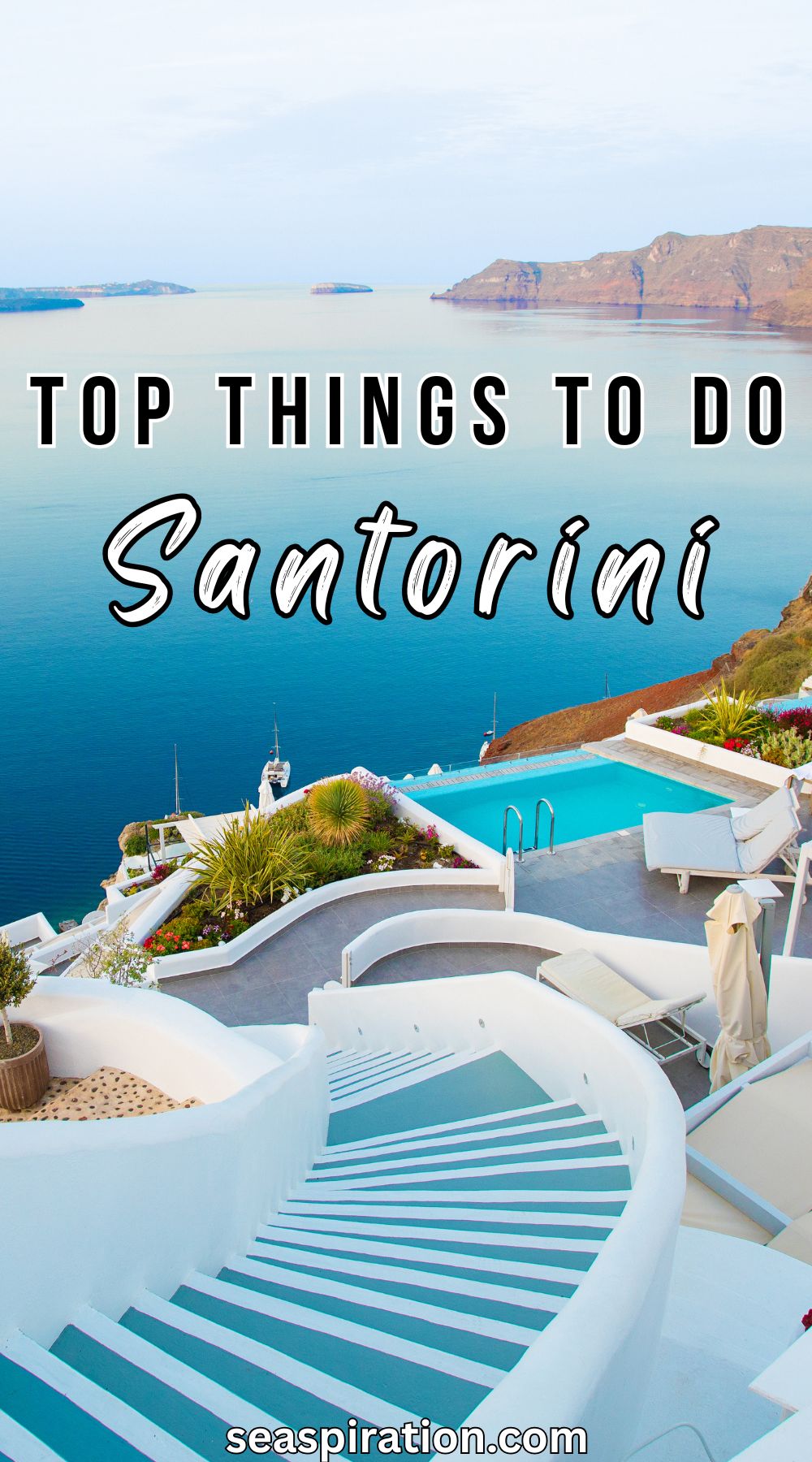
Caldera Sailing Cruise
Being on the water is the best way to understand Santorini’s volcanic origins. A catamaran or yacht cruise takes you past lava cliffs, hidden coves, and the Nea Kameni volcano. Whether you choose a daytime cruise or a sunset sail, it adds perspective and a touch of luxury to your stay.
Sunset Dinner with a View
Santorini does romance effortlessly. Book a terrace restaurant in Oia, Imerovigli, or Fira and let the evening unfold slowly — wine, fresh seafood, soft music, and that golden light. Reservations are essential in high season.
Volcanic Hot Springs Swim
Most boat tours stop near the sulfur-rich hot springs around Nea Kameni. The warm, mineral-tinged waters aren’t spa-like in appearance, but floating there surrounded by volcanic cliffs feels uniquely Santorini.
Santorini Wine Tasting
The island’s Assyrtiko grapes thrive in volcanic soil and strong winds, producing crisp, mineral-driven wines. Visit a local winery for a guided tasting and sunset views over the caldera. It’s an elegant way to understand the island’s agricultural side.
Private Photography Session
Increasingly popular for anniversaries, engagements, and milestone birthdays, private shoots capture Santorini at its most flattering angles. Early-morning sessions avoid crowds and give you that dreamy, less-busy-island look.
Sunrise Coffee
Before the cruise ships arrive and before the pathways fill, Santorini is peaceful. Waking early, stepping onto a cute café or your terrace if you have one, and watching the island glow in soft morning light might become your favorite memory.
Explore Local Tavernas Away from the Caldera
Drive inland or toward the beach villages to find family-run tavernas serving simple, authentic Greek dishes. It’s often more affordable and feels wonderfully grounded compared to the cliffside fine-dining scene.
ATV or Scooter Exploration
Renting a small vehicle gives you freedom to discover hidden corners, remote viewpoints, and lesser-visited beaches. But again, be mindful of narrow roads and summer traffic.
Stay in a Cave Suite (At Least Once)
Even if just for a night, staying in a traditional cave-style suite carved into the cliff is part of the Santorini story. The curved architecture, cool interiors, and private plunge pools make the experience feel iconic rather than ordinary. My personal recommendation here is Mystique, a Luxury Collection Hotel, Santorini.
When to Visit Santorini: Seasons, Crowds & Weather Explained
Timing matters in Santorini — not just for crowd levels, but for the overall mood of your trip. The same caldera can feel wildly different depending on the season: serene and cinematic in spring, vibrant and buzzing in summer, golden and romantic in autumn. Here’s what to realistically expect throughout the year.
Spring (April–May) – Fresh, Blooming & Peaceful
Spring is one of Santorini’s most underrated seasons. Wildflowers bloom along the caldera paths, the air feels crisp and clean, and the island hasn’t yet reached peak cruise traffic.
Weather: Daytime temperatures typically range between 17–24°C (63–75°F). Evenings can be cool, especially in April, so light layers are essential.
Sea temperature: Still quite fresh in April, becoming swimmable by late May (around 18–20°C / 64–68°F).
Crowds: Moderate and manageable.
Best for: Scenic walks, photography, relaxed exploration without intense heat.
If you want Santorini’s beauty without the intensity of high season, late May in particular feels like a sweet spot.
Summer (June–September) – Iconic, Energetic & Sun-Drenched
This is Santorini in its most famous form. Long golden evenings, busy terraces, sailing cruises, and that unmistakable white-and-blue contrast under a blazing sun.
Weather: Expect 25–35°C (77–95°F) during the day, with July and August being the hottest months. Heat can feel more intense due to the minimal shade along the caldera.
Sea temperature: Warm and comfortable, around 22–25°C (72–77°F).
Crowds: High, especially July and August, with cruise ship days bringing heavier foot traffic in Oia and Fira.
Best for: Swimming, sailing, vibrant atmosphere, and that “Santorini as seen on Instagram” energy.
Summer delivers the full fantasy — but planning becomes essential. Early morning outings and intentional hotel choices make all the difference.
Autumn (October–Early November) – Warm Light & Softer Rhythm
Early autumn feels like Santorini exhaling. The sea is still warm from summer, sunsets are dramatic, and the pace becomes noticeably calmer.
Weather: Daytime temperatures hover around 20–28°C (68–82°F) in October, cooling gradually into November.
Sea temperature: Often warmer than spring — around 20–23°C (68–73°F).
Crowds: Significantly reduced compared to peak summer.
Best for: Couples, wine tasting, sailing without packed boats, and golden-hour photography.
October, in particular, is a beautiful compromise between pleasant weather and fewer crowds.
Winter (Late November–March) – Quiet & Local
Winter is Santorini’s off-season. Many caldera hotels and high-end restaurants close, and ferry schedules are reduced. However, the island doesn’t shut down entirely — it simply becomes more local and introspective.
Weather: Cooler, with temperatures between 10–17°C (50–63°F). Wind and occasional rain are common.
Sea temperature: Too cold for comfortable swimming for most travelers.
Crowds: Minimal.
Best for: Writers, solitude seekers, and travelers curious to see a more authentic, non-touristic side of the island.
Winter isn’t about swimming or sunset glamour — it’s about atmosphere and quiet beauty.
So, When Is Best To Visit?
If you want balance — good weather, swimmable sea, and manageable crowds — late May, June, and October are often ideal.
If you want peak energy, warm water, and iconic summer buzz — come in July or August, but plan and book well in advance.
Santorini is less about finding a “perfect” month and more about aligning the season with the kind of experience you want: calm and cinematic, or vibrant and celebratory.
What to Expect Budget-Wise
Let’s face the fact; Santorini is not the most affordable Greek island and it doesn’t pretend to be. It’s a bucket-list destination for many, and prices reflect that. That said, your overall budget depends heavily on when you visit, where you stay, and how intentionally you plan.
Here’s a realistic overview:
Accommodation
Caldera-view cave hotels are the biggest splurge. In peak season (June–September), luxury properties can range from €600–€1,500+ per night, while well-rated mid-range caldera hotels typically start around €250–€450 per night.
If you stay in beach areas like Kamari or Perissa, or in Pyrgos, prices can drop significantly, often €120–€250 per night for stylish, comfortable stays.
Dining
Casual gyros or bakery lunches cost around €5–€12, while dinner at a scenic restaurant can range from €40–€70 per person, excluding wine. Fine-dining sunset experiences can easily exceed €100 per person, especially with wine pairings.
Activities & Experiences
A shared sunset sailing cruise typically costs €100–€160 per person, while private charters are significantly more.
Wine tastings range from €25–€60, depending on the winery and format.
ATV rentals start around €30–€50 per day.
Transport
Local buses are very affordable (usually just a few euros per ride), but taxis and private transfers add up quickly. Renting a small car for a day may cost €40–€80, depending on the season.
Can You Visit Santorini on a Moderate Budget?
It is a frequently asked queiston if Santorini can be done on a budget or it is only for those who can afford and I am happy to that yes, it is possible to vacation without breaking the bank, but flexibility is key.
Visiting in May or October, staying outside the caldera, booking early, and balancing one or two “wow” experiences with simpler local meals can make the trip far more manageable.
Practical Tips for First-Time Visitors
Santorini is stunning — but it’s also vertical, popular, and in high demand. A little preparation goes a long way in making your trip feel smooth rather than stressful, especially if this is your first time on this Greek island. Keep these practical tips in mind:
Book caldera-view hotels months in advance
The most desirable cave suites and sunset-facing terraces are limited and sell out quickly, especially between May and September. If a caldera view is non-negotiable for you, secure it early to avoid compromising on location or quality.
Expect stairs — lots of them
Santorini is built into volcanic cliffs, which means steep pathways, uneven steps, and pedestrian-only zones. Pack comfortable shoes and be prepared for a bit of daily climbing, particularly in Oia, Imerovigli, and Fira.
Reserve restaurants ahead of sunset
Tables during golden hour are in high demand. Booking a few days in advance (or earlier in peak season) ensures you won’t miss that slow, glowing Santorini dinner moment.
Arrange private transfers if arriving with luggage
Many hotels are located in areas inaccessible by car. Pre-booking transfers through your hotel can include porter assistance and saves you from navigating stairs with heavy bags.
Plan around cruise ship arrival times
When multiple cruise ships dock, central areas can become noticeably busier from late morning to mid-afternoon. Explore early in the day or later in the evening for a calmer experience.
Start your days early
Santorini is at its most peaceful before 9 a.m. Morning light is soft, pathways are quieter, and even popular photo spots feel intimate.
Don’t rely entirely on taxis
Taxi numbers on the island are limited, and wait times can be long in high season. Consider pre-booked transfers, renting a car for a day, or using local buses when possible.
Pack light and smart
Think breathable fabrics, sun protection, and minimal luggage. Moving between ferry ports, hotels, and cliffside paths is much easier when you’re not overpacked.
Santorini in 2026 – Is It For You?
Santorini isn’t a secret — and it hasn’t been for a long time. But popularity alone doesn’t erase substance. What changes is how you approach it.
Santorini works best for travelers who understand what they’re signing up for: dramatic landscapes, premium pricing, vertical villages, and moments that reward patience.
It’s not about doing everything. It’s about choosing a few experiences and letting them breathe — whether that’s a long lunch overlooking the caldera, a quiet early-morning walk before the pathways fill, or a sunset viewed from somewhere unexpected.
The island also demands small strategic choices. Stay somewhere that matches your pace. Plan around peak hours. Budget realistically. Leave room in your schedule. These aren’t restrictions — they’re the difference between feeling overwhelmed and feeling completely immersed.
Santorini doesn’t try to be everything. It’s not Greece’s best beach island. It’s not the cheapest. It’s not the most undiscovered. What it offers instead is scale, atmosphere, and a sense of occasion that few places replicate.
If you arrive expecting perfection without effort, you may leave disappointed. If you arrive prepared, curious, and intentional, Santorini is still magical, offering a setting that feels elevated and cinematic, making it one of the most memorable destinations for a beach vacation in Greece. And in a world full of destinations competing for attention, that kind of clarity is still worth traveling for.